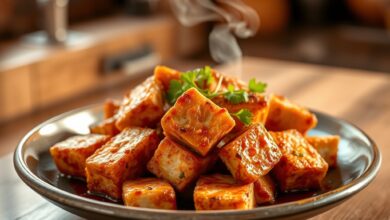

Deep Frying Technique: Easy, Crispy & Delicious!
Deep Frying Technique is a culinary art that, when mastered, can elevate simple ingredients into extraordinary, golden-crisp delights. As a seasoned food blogger and chef, I’m thrilled to share my insights into achieving perfectly fried dishes every single time. This guide is designed to demystify the process, ensuring your kitchen adventures are filled with delicious success, transforming everyday meals into gourmet experiences that truly impress. Learn the secrets to crispy perfection with our guide to making Deep Frying Technique dishes.
Mastering the Deep Frying Technique transforms raw ingredients into culinary masterpieces, from perfectly golden fried chicken to delicate tempura. It’s about precision, heat management, and understanding the science behind the sizzle. Forget soggy or greasy results; with my expert guidance, you’ll achieve that coveted crisp exterior and tender interior every single time.
| Metric | Value |
|---|---|
| Prep Time | 20 minutes |
| Cook Time | 15-20 minutes |
| Calories | Approx. 350-500 kcal (varies by ingredients) |
| Cuisine | Global Comfort Food |
| Difficulty | Medium |
Ingredients & Preparation

Essential to any perfect Deep Frying Technique is starting with the right ingredients and equipment. For optimal results, always select fresh, high-quality produce and proteins. This foundation sets the stage for a truly remarkable culinary experience, making every bite count.
Ingredients:
- 2 lbs protein of choice (chicken pieces, fish fillets, tofu, or vegetables like onion rings)
- 2 cups all-purpose flour
- 1 cup cornstarch
- 1 tbsp baking powder
- 2 tsp salt, plus more for seasoning
- 1 tsp black pepper
- 1 tsp garlic powder
- 1 tsp paprika
- 1 ½ cups ice-cold sparkling water or beer
- 6-8 cups high smoke point oil (canola, peanut, or vegetable oil)
- Optional: Deep Frying Technique dry spices like cayenne pepper or smoked paprika for extra flavor.
Preparation:
- Pat your protein or vegetables thoroughly dry. Excess moisture can cause oil to splatter and hinder crispness.
- In a large bowl, whisk together the flour, cornstarch, baking powder, salt, pepper, garlic powder, and paprika.
- Gradually add the ice-cold sparkling water or beer to the dry mixture, whisking until just combined. A few lumps are fine; overmixing develops gluten, which can make your batter tough.
Step-by-Step Instructions

Follow these detailed steps to achieve a flawless Deep Frying Technique every time. Precision and attention to detail are paramount for safety and delicious results. This structured approach ensures consistency, making your fried dishes a consistent triumph.
- Set Up Your Frying Station: Choose a sturdy, heavy-bottomed pot or a Deep Frying Technique cast iron skillet for deep frying. Fill it with enough oil to cover your food, leaving at least 3-4 inches of space from the rim to prevent overflow. Attach a deep-fry thermometer to the side of the pot.
- Preheat the Oil: Heat the oil over medium-high heat until it reaches the desired temperature, typically between 325°F and 375°F (160°C and 190°C), depending on the food. Using a reliable thermometer is non-negotiable for safety and success.
- Batter Your Ingredients: Working in small batches, dip your prepared protein or vegetables into the batter, ensuring they are fully coated. Let any excess drip off before carefully placing them into the hot oil.
- Fry in Batches: Do not overcrowd the pot. Frying in small batches maintains the oil temperature, which is crucial for a crisp crust. Overcrowding drops the temperature, leading to greasy food.
- Monitor and Adjust Temperature: This critical phase of the Deep Frying Technique requires constant attention. Keep a close eye on your thermometer and adjust the heat as needed to maintain a consistent temperature.
- Flip and Cook Evenly: Gently flip items as they cook to ensure even browning. Fry until golden brown and cooked through. The exact time will depend on the size and type of food.
- Drain and Season: Once cooked, carefully remove the food with a slotted spoon or spider, allowing excess oil to drain. Transfer to a wire rack set over a baking sheet lined with paper towels. Immediately season with salt or your favorite spices. The precision in this Deep Frying Technique step ensures maximum flavor absorption.
Why You Will Love This Recipe
Beyond the golden crisp, the Deep Frying Technique offers an irresistible texture and flavor that few other cooking methods can replicate. The satisfying crunch of the exterior gives way to a tender, juicy interior, creating a sensory experience that’s truly unforgettable. It’s perfect for elevating weeknight meals or impressing guests at your next gathering.
This technique allows for incredible versatility, transforming everything from simple vegetables to gourmet proteins. With the right approach, you’ll discover a whole new world of culinary possibilities, making your dishes both exciting and comforting. Plus, the joy of creating something so delicious from scratch is incredibly rewarding.
Chef’s Tips for Perfection
Pro Techniques
Achieving a consistent Deep Frying Technique requires a few expert tricks. Start by ensuring your oil is at the correct temperature before adding any food. Too cold, and your food becomes greasy; too hot, and the exterior burns before the inside cooks.
Always use a good quality, heavy-bottomed pot for even heat distribution. A reliable thermometer is your best friend. For seasoning, consider using Deep Frying Technique organic spices and a high-performance blender for making custom spice blends. Practicing the perfect Deep Frying Technique will yield beautifully cooked results every time.
Recommended Tools:
- Premium Cookware: A robust cast iron skillet or Dutch oven for excellent heat retention.
- Chef-Grade Knives: For precise, clean cuts during preparation.
- Deep-Fry Thermometer: Absolutely essential for temperature control.
- Slotted Spoon or Spider: For safe removal of food from hot oil.
Common Mistakes to Avoid
One common mistake in Deep Frying Technique is overcrowding the pot. This drastically lowers the oil temperature, leading to soggy, greasy food instead of a crispy, golden crust. Always fry in small batches to maintain optimal heat, ensuring each piece cooks perfectly and evenly.
Another pitfall is not drying your ingredients thoroughly before coating and frying. Excess moisture causes the oil to splatter dangerously and prevents the batter from adhering properly, resulting in an uneven crust. Correcting these errors ensures your Deep Frying Technique is safe and produces superior results, delivering that perfect crunch every time.
Serving & Storage

The successful Deep Frying Technique leads to dishes best served immediately, when they are at their crispiest and most flavorful. Pair your creations with a fresh salad, a tangy dipping sauce, or a light side dish to balance the richness. Think about homemade aioli or a vibrant coleslaw for a complete meal experience.
For storage, if you have leftovers, place them in an airtight container in the refrigerator for up to 2-3 days. Reheat in an oven or air fryer at 350°F (175°C) until warmed through and crispy again. Avoid the microwave, as it will make your fried food soggy.
Conclusion
Embracing the Deep Frying Technique is to unlock a world of incredible textures and flavors right in your own kitchen. With the right tools, careful temperature management, and a dash of confidence, you’re well on your way to creating memorable meals. Practice makes perfect, and each attempt will bring you closer to deep-frying mastery.
Don’t be afraid to experiment with different ingredients and batters. Your culinary journey is just beginning, and the rewards are utterly delicious. For more exciting recipes and cooking tips, keep exploring our blog and share your deep-frying triumphs with us. Let this Deep Frying Technique guide be your trusted companion.
Frequently Asked Questions
Q1: What is the ideal oil temperature for Deep Frying Technique?
A precise Deep Frying Technique demands an oil temperature typically between 325°F and 375°F (160°C and 190°C). The exact temperature depends on the type and size of food you are frying. Always use a thermometer for accuracy.
Q2: Can I reuse frying oil?
Reusing oil requires careful consideration in Deep Frying Technique. You can often reuse oil 2-3 times if it hasn’t been overheated or used to fry strongly flavored foods. Strain the cooled oil through a fine-mesh sieve or cheesecloth to remove food particles before storing it in an airtight container in a cool, dark place.
Q3: How do I prevent my fried food from becoming greasy?
To avoid greasy food with your Deep Frying Technique, maintain the correct oil temperature and do not overcrowd the pot. If the oil temperature drops too low, the food will absorb too much oil. Ensure your batter is light and crisp, and drain food immediately on a wire rack after frying.
Q4: What kind of oil is best for Deep Frying Technique?
For a perfect Deep Frying Technique, choose oils with a high smoke point, such as canola oil, peanut oil, vegetable oil, or sunflower oil. These oils can withstand high temperatures without breaking down or imparting undesirable flavors to your food.
Q5: How can I make my Deep Frying Technique healthier?
For a healthier Deep Frying Technique, consider using an air fryer for a similar crispy result with less oil. When deep frying, ensure the oil is at the correct temperature to minimize oil absorption, use healthier oils like avocado oil (though more expensive), and serve with plenty of fresh vegetables to balance the meal.
Did you enjoy this recipe?
Looking for more quick and healthy recipes? Try one of our most popular 10-minute meals — delicious, simple, and nutritious.
If you enjoyed this recipe and want more delicious ideas for lunch and dinner, feel free to follow me on Facebook, Telegram, and Pinterest. I share new dishes, kitchen tips, and food inspiration daily. Thank you for your support! ❤️