
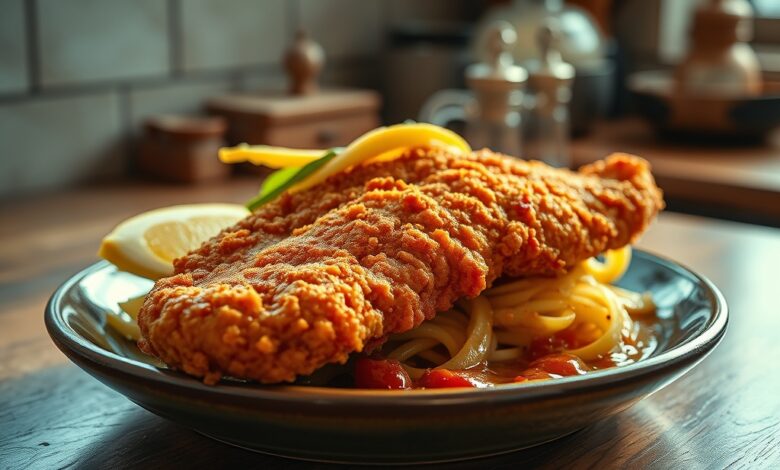
Louisiana Fried Catfish: Best Easy Recipe!
Louisiana Fried Catfish is a quintessential Southern comfort food, crispy on the outside, flaky and moist on the inside, embodying the rich culinary heritage of the Bayou. This iconic dish isn’t just a meal; it’s a celebration of flavor, tradition, and the simple joy of good food shared with loved ones. Perfecting this recipe brings the authentic taste of Louisiana right into your kitchen, making it a staple for any seafood lover. Before we dive into the delicious details, why not explore another soulful Southern classic with our Louisiana Fried Catfish recipe?
Ingredients & Preparation
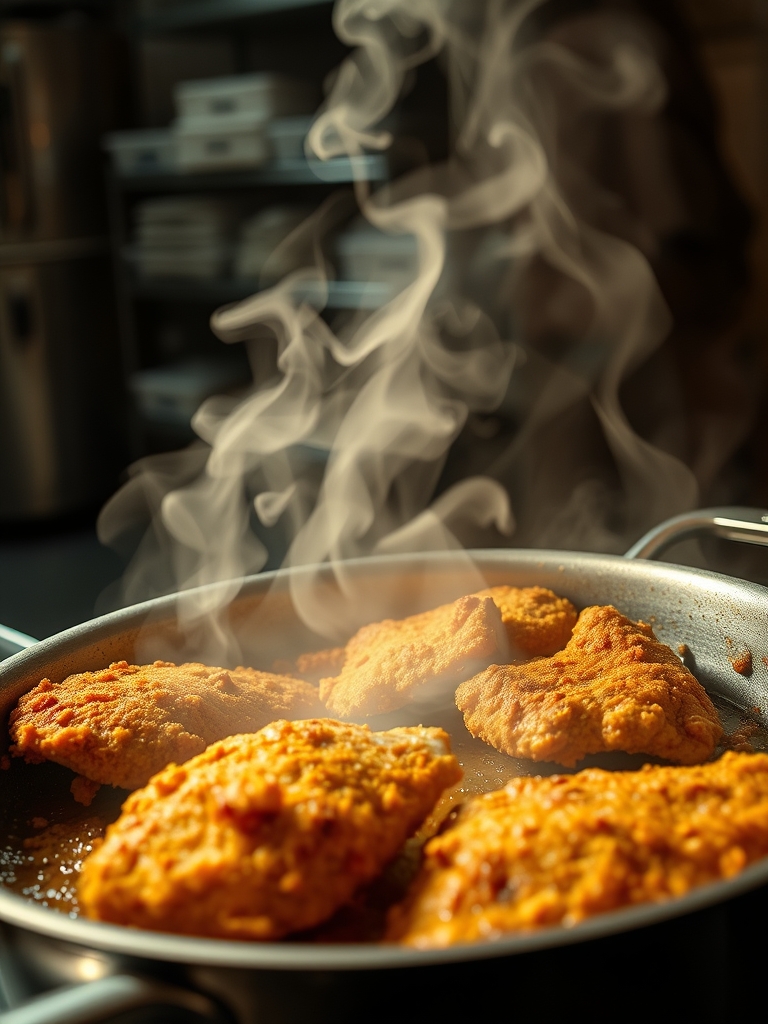
Crafting the perfect Louisiana Fried Catfish begins with selecting the freshest ingredients and preparing them with care. Quality components are the foundation of an unforgettable meal. This commitment to excellence ensures every bite is packed with authentic flavor.
For the Catfish:
- 4 (6-8 oz) catfish fillets, fresh or thawed
- 2 cups buttermilk (preferably organic for best flavor)
- 1 tablespoon hot sauce (e.g., Tabasco or Crystal)
- 1 teaspoon salt
- 1/2 teaspoon black pepper
For the Breading:
- 2 cups yellow cornmeal (fine-ground for a crispier finish)
- 1 cup all-purpose flour
- 1 tablespoon Creole seasoning (homemade or premium brand)
- 1 teaspoon garlic powder
- 1 teaspoon onion powder
- 1/2 teaspoon cayenne pepper (adjust to your spice preference)
- 1/2 teaspoon baking powder (for extra crispiness)
- Salt and freshly ground black pepper to taste
For Frying:
- 4-6 cups peanut oil or vegetable oil (for deep frying)
Preparation Steps:
1. Marinate the Catfish: In a shallow dish, combine buttermilk, hot sauce, salt, and pepper. Add the catfish fillets, ensuring they are fully submerged. Cover and refrigerate for at least 30 minutes, or up to 2 hours, allowing the flavors to meld beautifully.
2. Prepare the Breading: In a large, shallow plate or bowl, whisk together the cornmeal, flour, Creole seasoning, garlic powder, onion powder, cayenne pepper, baking powder, salt, and pepper. This dry mixture will give our Louisiana Fried Catfish its signature crunch.
Step-by-Step Instructions
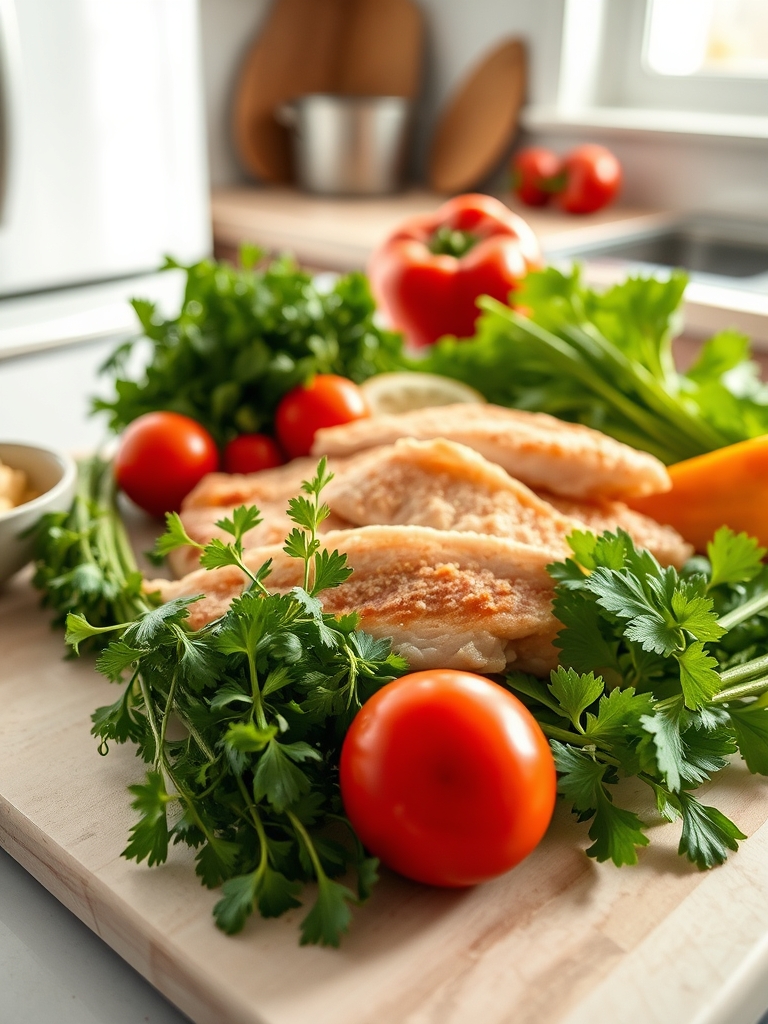
Achieving that golden, crispy perfection for your Louisiana Fried Catfish is all about technique and timing. Follow these steps meticulously, and you’ll be rewarded with a dish that rivals any Southern kitchen. Having premium cookware, like a heavy-bottomed cast iron skillet, can make a significant difference.
1. Heat the Oil: Pour the peanut or vegetable oil into a large, heavy-bottomed skillet or Dutch oven. A sturdy cast iron skillet works wonders here for even heat distribution. Heat the oil over medium-high heat until it reaches 350-375°F (175-190°C). Use a kitchen thermometer to ensure accuracy; maintaining the correct oil temperature is crucial for crispy, non-greasy fish.
2. Dredge the Catfish: Remove one catfish fillet from the buttermilk marinade, allowing any excess to drip off. Place it into the breading mixture, pressing gently to ensure it’s fully coated on all sides. Repeat with the remaining fillets. A thorough coating is key for a fantastic crunch.
3. Fry the Catfish: Carefully place 2-3 fillets into the hot oil, being careful not to overcrowd the pan. Overcrowding can lower the oil temperature and lead to soggy fish. Fry for 4-6 minutes per side, or until golden brown and cooked through. The exact time will depend on the thickness of your fillets. For another incredible protein option, consider our guide to preparing Louisiana Fried Catfish.
4. Drain and Season: Using tongs or a slotted spoon, carefully remove the cooked Louisiana Fried Catfish from the oil. Place them on a wire rack set over a baking sheet lined with paper towels to drain excess oil. Immediately sprinkle with a little extra salt while hot. This enhances the flavor and crispness.
5. Maintain Temperature: If frying in batches, you can keep the cooked fillets warm in a 200°F (95°C) oven while you finish the remaining fish. This ensures every piece of Louisiana Fried Catfish is served hot and delicious.
6. Serve Immediately: Serve your perfectly fried Louisiana Fried Catfish hot with your favorite sides. Don’t forget to pair it with classic accompaniments for the full experience. For more seafood delights, explore our techniques for enhancing the flavor of any fish dish by mastering Louisiana Fried Catfish.
Why You Will Love This Recipe
There’s an undeniable magic to a well-made Louisiana Fried Catfish. The contrasting textures, from the incredibly crunchy exterior to the tender, flaky interior, create a delightful sensory experience. The subtle heat from the Creole seasoning perfectly balances the richness of the fish, making each bite addictive. This recipe is more than just food; it’s an invitation to savor a piece of Southern culinary soul. It’s truly a dish that brings people together and creates lasting memories.
Chef’s Tips for Perfection
Pro Techniques
Elevate your Louisiana Fried Catfish from great to extraordinary with these expert tips. These small adjustments can make a significant difference in the final outcome. Mastering them will ensure your dish is always a showstopper.
- Buttermilk Soak: Don’t skip the buttermilk soak! It not only tenderizes the fish but also helps the breading adhere better, leading to a much crispier coating. Using organic spices in your breading mix will also significantly boost the flavor.
- Oil Temperature Consistency: Invest in a good thermometer and maintain the oil temperature between 350-375°F. Too cold, and the fish will be greasy; too hot, and the coating will burn before the fish cooks through. This consistency is key for perfect Louisiana Fried Catfish.
- Thin Coating for Crispness: While you want full coverage, avoid an overly thick breading. A thin, even layer of cornmeal and flour mixture provides the best crunch. Using chef-grade knives for any initial trimming can also help prepare the fillets perfectly.
- Don’t Overcrowd: Fry in batches to ensure even cooking and consistent oil temperature. Overcrowding causes the oil temperature to drop, resulting in soggy fish. Patience is a virtue when frying.
- Season Hot: Always salt your Louisiana Fried Catfish immediately after it comes out of the oil. The residual heat helps the salt stick and enhances the flavor profile of the crispy crust.
Common Mistakes to Avoid
Even experienced cooks can sometimes stumble. Being aware of common pitfalls can help you avoid them and ensure your Louisiana Fried Catfish turns out perfectly every time. Learning from these potential errors is part of the culinary journey.
- Not Marinating Long Enough: A rushed marinade means less flavor and a less tender fillet. Give your catfish at least 30 minutes in the buttermilk.
- Uneven Breading: Patting the catfish dry before breading and pressing the coating firmly helps it stick. Loose breading can fall off in the oil.
- Oil Temperature Fluctuations: Consistently monitoring and adjusting your oil temperature is vital. Too low and your Louisiana Fried Catfish will absorb too much oil; too high and the outside will burn while the inside is raw.
- Overcooking the Fish: Catfish cooks relatively quickly. Overcooking will result in dry, tough fish. Look for that beautiful golden-brown color and flaky texture.
- Not Draining Properly: Letting the fried fish sit on paper towels without a wire rack can trap steam and make the bottom soggy. A rack allows air to circulate, maintaining crispness.
Serving & Storage
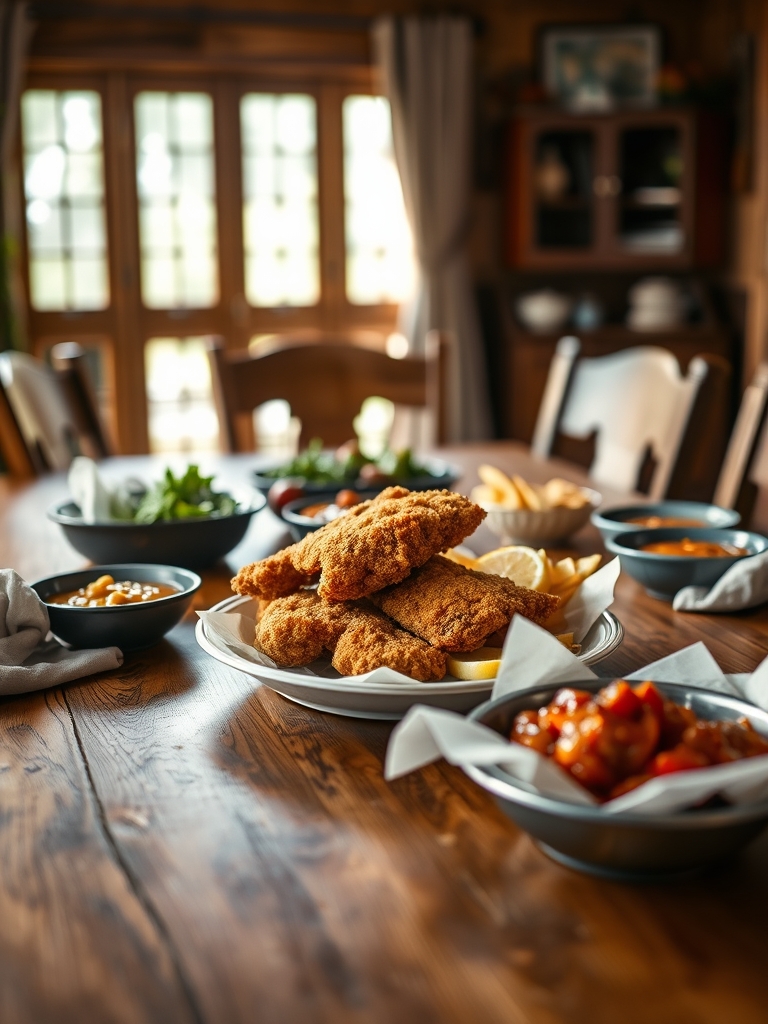
The beauty of Louisiana Fried Catfish lies in its versatility. It pairs wonderfully with a variety of classic Southern sides. Think creamy coleslaw, tangy tartar sauce, crispy hushpuppies, or a vibrant potato salad. A squeeze of fresh lemon juice over the hot fish brightens the flavors beautifully.
For storage, any leftover Louisiana Fried Catfish should be cooled completely and then stored in an airtight container in the refrigerator for up to 2-3 days. While it won’t be as crispy as fresh, you can reheat it in an oven or air fryer to regain some of its crunch. Avoid the microwave, as it will make the breading soggy.
Conclusion
Mastering Louisiana Fried Catfish is a rewarding culinary journey that brings the soulful flavors of the South to your table. From the careful selection of premium ingredients to the precise frying technique, every step contributes to a dish that is deeply satisfying and truly memorable. This recipe is a testament to the joy of cooking and sharing delicious food. We hope you enjoy bringing this authentic taste of Louisiana into your home, creating your own traditions around this fantastic dish. For more traditional Southern recipes, don’t miss our guide on preparing Louisiana Fried Catfish.
Frequently Asked Questions
Q1: What kind of oil is best for frying Louisiana Fried Catfish?
A1: Peanut oil is highly recommended for its high smoke point and neutral flavor, which won’t overpower the delicate taste of the Louisiana Fried Catfish. Vegetable or canola oil are also good alternatives.
Q2: Can I use frozen catfish fillets?
A2: Yes, you can use frozen catfish fillets, but ensure they are completely thawed and patted very dry before marinating and breading. Excess moisture can lead to a less crispy result.
Q3: How do I know when the Louisiana Fried Catfish is fully cooked?
A3: The catfish is cooked when it’s golden brown on the outside and flakes easily with a fork in the thickest part. The internal temperature should reach 145°F (63°C).
Q4: Can I make this recipe gluten-free?
A4: Absolutely! Substitute the all-purpose flour with a gluten-free all-purpose flour blend and ensure your cornmeal is certified gluten-free. The rest of the ingredients for Louisiana Fried Catfish are naturally gluten-free.
Q5: What are some good side dishes to serve with Louisiana Fried Catfish?
A5: Classic pairings include coleslaw, hushpuppies, potato salad, French fries, or a side of greens. A tangy tartar sauce or a spicy remoulade is also a must-have accompaniment for Louisiana Fried Catfish.
Did you enjoy this recipe?
Looking for more quick and healthy recipes? Try one of our most popular 10-minute meals — delicious, simple, and nutritious.
If you enjoyed this recipe and want more delicious ideas for lunch and dinner, feel free to follow me on Facebook, Telegram, and Pinterest. I share new dishes, kitchen tips, and food inspiration daily. Thank you for your support! ❤️


One Comment