Cast Iron Searing: Easy Steak Perfection
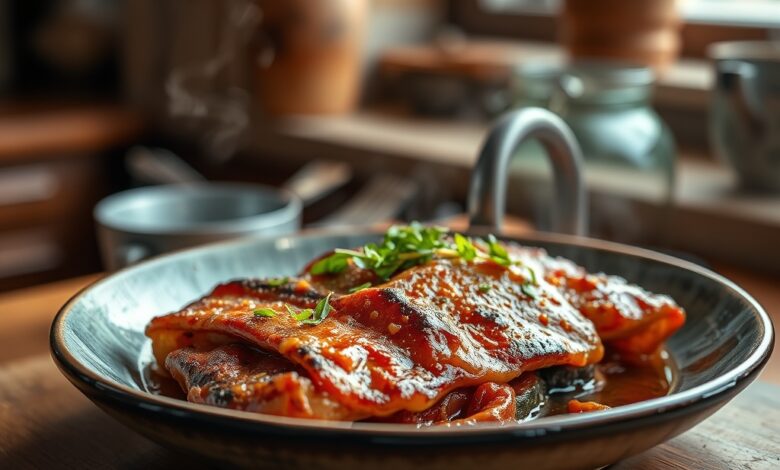
Cast Iron Searing is the ultimate technique for achieving that perfect crust and flavor on a variety of foods, transforming a simple meal into a culinary masterpiece. It’s a method that promises incredible depth and texture, often making it the secret weapon of home cooks and professional chefs alike.
Mastering this technique will elevate your cooking, delivering restaurant-quality results right in your own kitchen. From juicy steaks to perfectly crisp vegetables, the Cast Iron Searing process creates a Maillard reaction that is simply unparalleled.
Prepare to unlock a new level of deliciousness with every meal you prepare using this timeless method. It’s truly a game-changer for anyone passionate about food.
| Quick Recipe Stats | |
|---|---|
| Prep Time: | 15 Minutes |
| Cook Time: | 10-20 Minutes (depending on item) |
| Calories: | Varies by ingredient (e.g., 350-500 for steak) |
| Cuisine: | Global (versatile technique) |
| Difficulty: | Easy to Medium |
Ingredients & Preparation
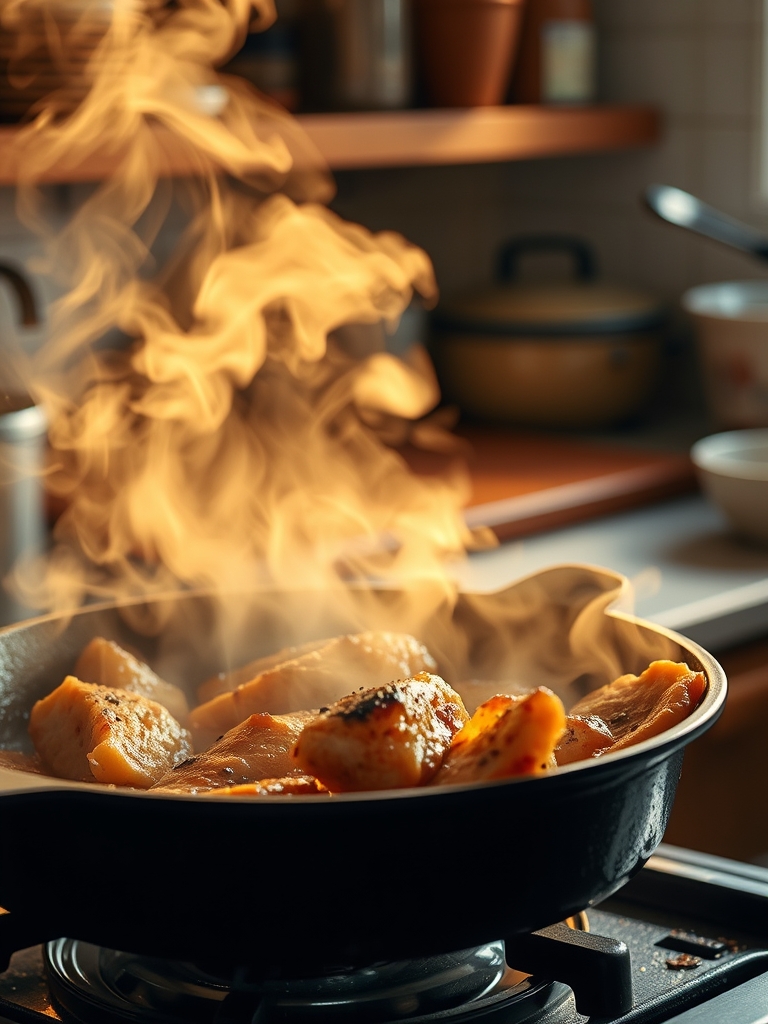
Achieving outstanding results with Cast Iron Searing begins with choosing the right ingredients and preparing them meticulously. For a perfect sear, opt for high-quality proteins or dense vegetables that can withstand high heat.
Consider using prime cuts of beef, fresh scallops, or firm tofu. The success of your Cast Iron Searing depends heavily on ingredient quality.
Ingredients:
- 1-inch thick steak (ribeye, New York strip, or sirloin), 2 per serving
- 1 tbsp Cast Iron Searing high-smoke point oil (grapeseed, avocado, or refined sunflower oil)
- 1 tsp coarse sea salt
- 1/2 tsp freshly cracked black pepper
- 2 sprigs fresh rosemary or thyme
- 2 tbsp unsalted butter
- 2 cloves garlic, smashed
Ensure your protein is patted completely dry before seasoning. Moisture on the surface inhibits browning and prevents that desirable crust.
For best flavor, consider using organic spices and a premium cut of meat. This foundation sets you up for an exceptional Cast Iron Searing experience.
Step-by-Step Instructions
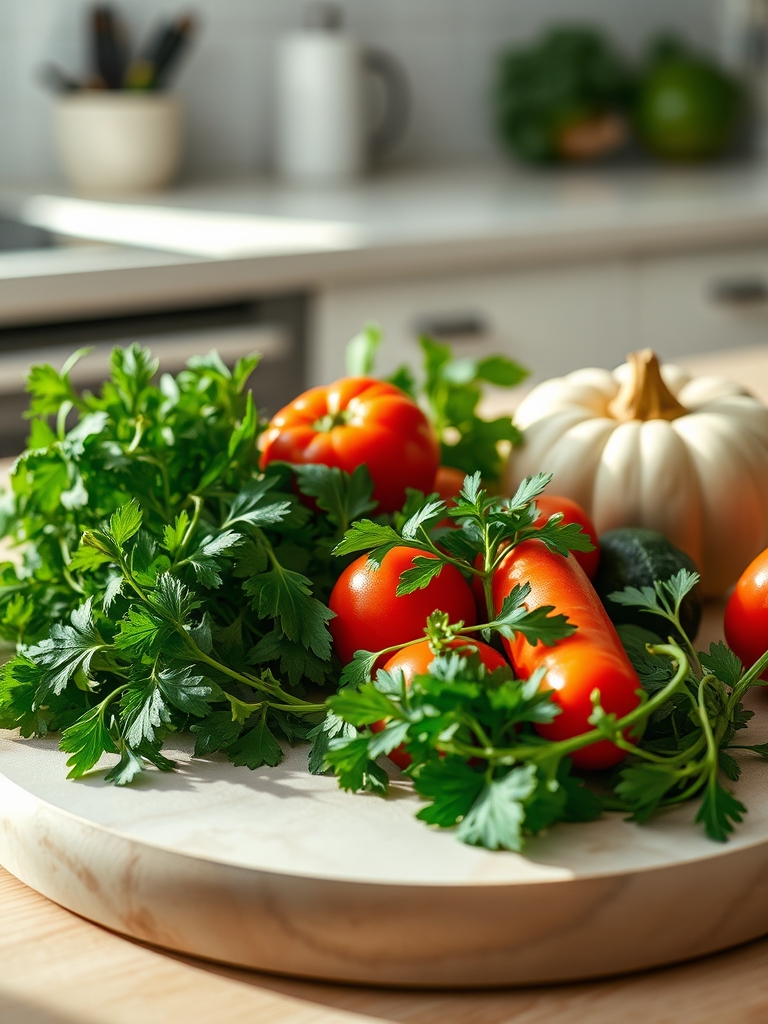
Follow these precise steps to master the art of Cast Iron Searing. Each stage is crucial for developing maximum flavor and an irresistible texture.
Having all your tools ready, including a high-quality cast iron skillet and chef-grade knives for preparation, will make the process smooth and enjoyable.
- Pat Dry & Season: Thoroughly pat your steak dry with paper towels. Season generously on all sides with sea salt and black pepper. Allow it to sit at room temperature for at least 30 minutes to an hour. This helps with even cooking during Cast Iron Searing.
- Preheat Skillet: Place your cast iron skillet over high heat. Allow it to preheat for 5-7 minutes until it’s smoking lightly. This intense heat is critical for proper Cast Iron Searing.
- Add Oil: Once the skillet is smoking, add the high-smoke point oil. Swirl to coat the bottom. The oil should shimmer but not burn.
- Sear Steak: Carefully place the steak in the hot skillet. Do not overcrowd the pan. Sear for 2-3 minutes per side without moving it to develop a deep, dark crust. This is the essence of effective Cast Iron Searing.
- Baste with Aromatics: Reduce heat to medium. Add butter, rosemary/thyme, and smashed garlic to the pan. Tilt the skillet and continuously spoon the melted butter and aromatics over the steak for another 1-2 minutes.
- Finish Cooking: Continue cooking, flipping once, until your desired doneness is reached (e.g., 125-130°F for medium-rare). For thicker cuts, you might transfer the skillet to a preheated 400°F (200°C) oven to finish.
- Rest: Remove the steak from the skillet and place it on a cutting board. Tent loosely with foil and let it rest for 5-10 minutes. This allows the juices to redistribute, resulting in a more tender and flavorful outcome after Cast Iron Searing.
- Slice and Serve: Slice against the grain and serve immediately. Enjoy the rich flavors created by the Cast Iron Searing technique.
Using a meat thermometer is highly recommended to ensure perfect doneness. A quality thermometer is an invaluable tool for any home chef aiming for precision with Cast Iron Searing.
Why You Will Love This Recipe
You will absolutely adore the results of Cast Iron Searing because it delivers unparalleled flavor and texture. The intense heat of the cast iron creates a deep, caramelized crust, locking in juices and developing complex savory notes.
This technique elevates even simple ingredients to gourmet status. The crisp exterior and tender, juicy interior are a hallmark of expertly executed Cast Iron Searing.
It’s not just about taste; it’s about the satisfaction of creating something truly exceptional. Once you experience the magic of Cast Iron Searing, you’ll wonder how you ever cooked without it.
Chef’s Tips for Perfection
Pro Techniques
Achieving a truly perfect sear with Cast Iron Searing requires attention to detail and a few pro tips. Don’t underestimate the power of a thoroughly preheated pan; it’s the single most important factor.
Consider reverse-searing for thicker cuts of meat. This involves slow-roasting the meat in a low oven first, then finishing with a quick, hot Cast Iron Searing to develop the crust.
Always use a neutral, high-smoke point oil to prevent burning. Avocado or grapeseed oil are excellent choices for Cast Iron Searing as they can withstand the necessary high temperatures.
Don’t overcrowd your skillet, as this lowers the pan temperature and steams the food instead of searing it. Work in batches if necessary to maintain consistent heat and achieve that perfect Cast Iron Searing.
Common Mistakes to Avoid
Even seasoned cooks can make mistakes when it comes to Cast Iron Searing. One of the most common errors is not patting your protein dry enough. Excess moisture prevents browning and leads to a steamed, grey exterior.
Another frequent misstep is not allowing the cast iron skillet to get hot enough. A lukewarm pan will not create the desirable crust; it needs to be smoking hot for effective Cast Iron Searing.
Resist the urge to move the food too early. Once placed in the hot pan, let it sit undisturbed for a few minutes to form a crust. Premature flipping interrupts the Maillard reaction crucial for Cast Iron Searing.
Finally, forgetting to rest your meat after cooking is a critical error. Resting allows the juices to redistribute, ensuring a tender and moist result. Without it, all those delicious juices will spill out when you cut into it.
Serving & Storage

The beauty of Cast Iron Searing is its versatility in serving. A perfectly seared steak pairs wonderfully with roasted asparagus and garlic mashed potatoes. Seared scallops are exquisite with a light lemon-butter sauce and risotto.
For vegetables, a quick Cast Iron Searing can transform broccoli or Brussels sprouts into delightfully crisp sides. Think about complementary flavors that enhance the rich crust you’ve created.
Store any leftovers in an airtight container in the refrigerator for up to 3-4 days. While the crust might soften slightly upon reheating, the flavor developed through Cast Iron Searing will remain delightful.
Reheat gently in a warm oven or a lightly oiled skillet to prevent overcooking. Avoid the microwave if you want to preserve some of that glorious texture from the initial Cast Iron Searing.
Conclusion
Mastering Cast Iron Searing is an incredibly rewarding skill that will significantly enhance your culinary repertoire. This technique is not just about cooking; it’s about creating an experience, a symphony of flavors and textures that delight the senses.
From the satisfying sizzle as your food hits the hot pan to the rich aroma filling your kitchen, every step of Cast Iron Searing is a testament to its power. Embrace the heat, trust the process, and prepare to be amazed by the results.
I encourage you to experiment with different proteins and vegetables, always aiming for that perfect, golden-brown crust. You’ll find countless applications for Cast Iron Searing in your everyday cooking. Happy searing!
Frequently Asked Questions
Q1: What is the best type of oil for Cast Iron Searing?
For optimal results, choose oils with a high smoke point, such as grapeseed, avocado, or refined sunflower oil. These oils can withstand the intense heat required for effective Cast Iron Searing without burning and imparting off-flavors.
Q2: How do I know when my cast iron skillet is hot enough for Cast Iron Searing?
Your skillet is hot enough when it starts to smoke lightly. You can also test by flicking a few drops of water onto the surface; they should immediately sizzle and evaporate. This ensures a proper Cast Iron Searing.
Q3: Can I use Cast Iron Searing for vegetables?
Absolutely! Cast Iron Searing works wonderfully for many vegetables, such as broccoli florets, Brussels sprouts, bell peppers, and asparagus. The high heat gives them a beautiful char and tender-crisp texture. Just ensure they are dry and seasoned well.
Q4: How do I prevent food from sticking during Cast Iron Searing?
Proper seasoning of your cast iron skillet is key. Additionally, ensure the pan is sufficiently hot and use enough oil to create a thin, even layer. Don’t try to move the food too soon; let the crust develop, and it will naturally release from the pan.
Q5: Is Cast Iron Searing healthier than other cooking methods?
Cast Iron Searing itself is a cooking technique, and its healthiness depends on the ingredients and amount of oil used. It often requires less oil than deep-frying and creates incredible flavor without excessive fat. The high heat quickly cooks food, preserving nutrients better in some cases.
Did you enjoy this recipe?
Looking for more quick and healthy recipes? Try one of our most popular 10-minute meals — delicious, simple, and nutritious.
If you enjoyed this recipe and want more delicious ideas for lunch and dinner, feel free to follow me on Facebook, Telegram, and Pinterest. I share new dishes, kitchen tips, and food inspiration daily. Thank you for your support! ❤️