
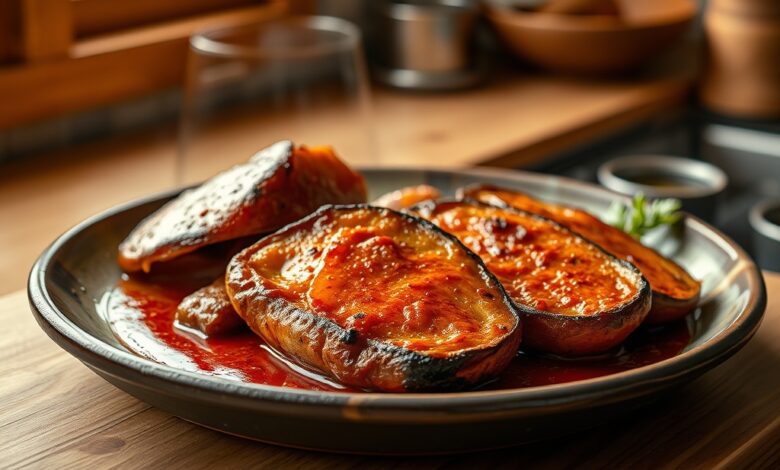
Cast Iron Searing Portions: Best & Easy Recipe!
Cast Iron Searing Portions is the ultimate technique for achieving restaurant-quality crusts and tender interiors right in your home kitchen. This method isn’t just about cooking; it’s an art form that elevates simple ingredients into culinary masterpieces. Mastering the searing process in cast iron transforms ordinary meals into extraordinary dining experiences, making it a must-know skill for every home chef. Learn to perfect this foundational technique and you’ll unlock a world of flavor, starting with this guide to incredible Cast Iron Searing Portions.
| Quick Recipe Stats | Details |
|---|---|
| Prep Time | 15 minutes |
| Cook Time | 10-15 minutes |
| Calories | Approx. 350-500 per serving (protein dependent) |
| Cuisine | Modern American, Bistro |
| Difficulty | Easy-Medium |
Ingredients & Preparation
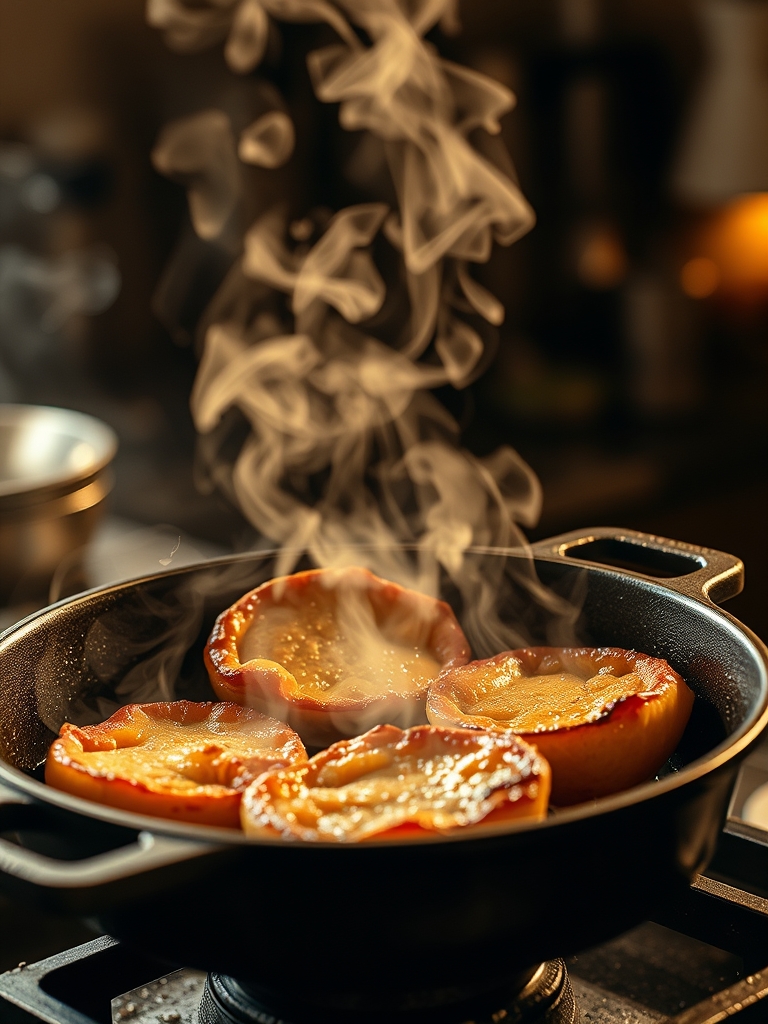
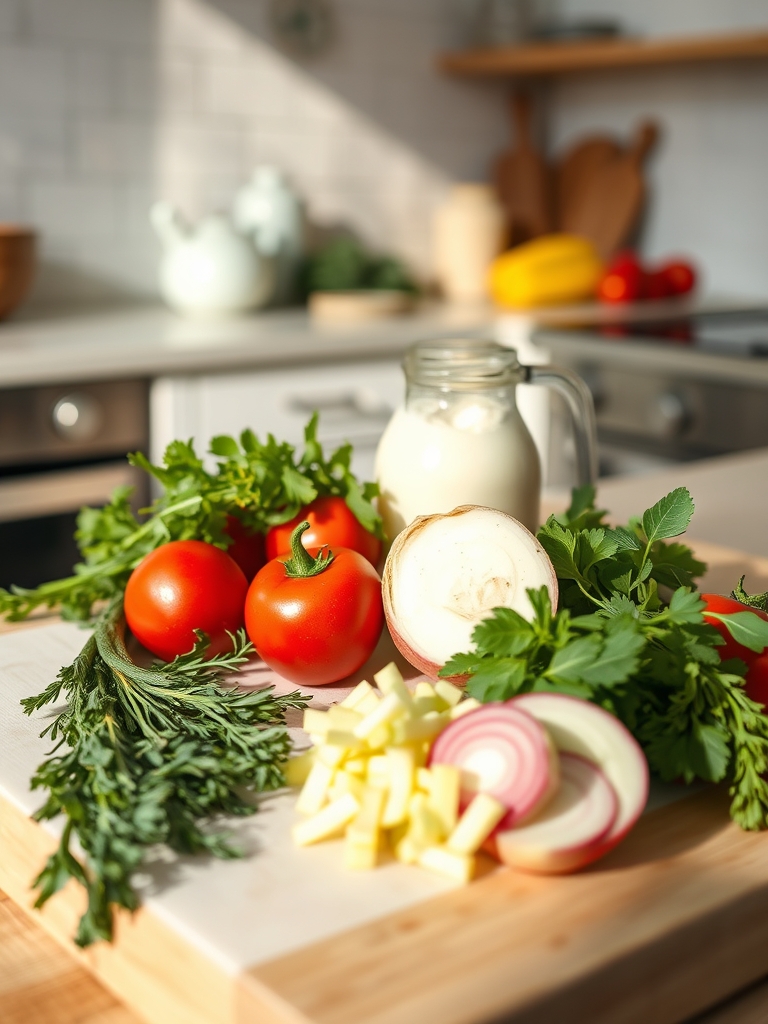
Achieving perfect Cast Iron Searing Portions starts with high-quality ingredients and meticulous preparation. Invest in fresh, premium cuts of meat or fish, as their quality will truly shine through this simple cooking method. This recipe scales easily, so feel free to adjust quantities.
- 2 (6-8 oz) portions of protein (e.g., steak, chicken breast, salmon fillets)
- 1 tbsp high-heat cooking oil (e.g., avocado oil, grapeseed oil)
- 1 tbsp unsalted butter (ideally grass-fed)
- 2 cloves garlic, smashed
- 2 sprigs fresh rosemary or thyme
- Salt, to taste (we recommend coarse sea salt)
- Freshly cracked black pepper, to taste
- Optional: Organic spices blend for extra flavor.
Preparation:
Pat your protein portions completely dry with paper towels. This step is non-negotiable for an effective sear, as moisture prevents browning. Season generously with salt and pepper on all sides. Allow the seasoned portions to sit at room temperature for 15-20 minutes before cooking. This ensures a more even cook from edge to center.
Step-by-Step Instructions
Follow these steps closely to master the art of Cast Iron Searing Portions. Precision and timing are key to developing that irresistible crust and juicy interior. Ensure you have all your tools ready, including a sturdy Cast Iron Searing Portions pan and a reliable meat thermometer.
- Preheat Your Pan: Place your cast iron skillet over medium-high heat. Allow it to heat for at least 5-7 minutes until it’s smoking hot. A properly preheated pan is crucial for a phenomenal sear.
- Add Oil: Once the pan is hot, add the high-heat cooking oil. Swirl it around to coat the bottom evenly. The oil should shimmer, but not smoke excessively.
- Sear the First Side: Carefully place your dried and seasoned protein portions into the hot pan. Make sure not to overcrowd the skillet, which can lower the pan’s temperature. You should hear a distinct sizzle immediately.
- Develop the Crust: Let the protein sear undisturbed for 2-4 minutes, depending on its thickness and your desired crust level. Resist the urge to move it around. This patience is vital for building a deep, golden-brown crust.
- Flip and Finish: Flip the portions to the second side. Immediately add the butter, garlic, and herbs to the pan. Tilt the pan slightly and use a spoon to baste the melting butter over the cooking portions.
- Baste and Cook: Continue cooking for another 2-5 minutes, basting frequently, until the internal temperature reaches your desired doneness. For perfect Cast Iron Searing Portions, use a thermometer.
- Rest: Remove the protein from the skillet and place it on a cutting board. Tent loosely with foil and let it rest for 5-10 minutes. This allows the juices to redistribute, ensuring a tender, moist result.
Why You Will Love This Recipe
This method of Cast Iron Searing Portions delivers an unparalleled depth of flavor and texture that’s hard to achieve with other cooking techniques. The intense heat of the cast iron pan creates a beautiful, caramelized crust on the exterior, locking in all the natural juices. Each bite offers a satisfying crunch followed by a tender, succulent interior, a true testament to perfectly cooked protein. It’s simple, efficient, and yields results that feel genuinely gourmet.
Chef’s Tips for Perfection
Pro Techniques
Elevating your Cast Iron Searing Portions from good to extraordinary involves understanding a few professional nuances. Firstly, always use a quality, heavy cast iron skillet; its heat retention is unmatched. Consider investing in premium cookware for consistent results. Secondly, don’t skimp on preheating time. A pan that’s not hot enough will steam your food instead of searing it, preventing that coveted crust.
Another tip is to use a small amount of oil with a high smoke point, like avocado oil, and add butter only after the flip. Butter can burn quickly, but adding it later allows it to melt and contribute flavor while basting, without scorching. For precision, a high-quality instant-read thermometer is your best friend. This ensures your Cast Iron Searing Portions are cooked to perfection every single time, avoiding over or under-cooking.
Common Mistakes to Avoid
When making Cast Iron Searing Portions, several pitfalls can hinder your success. Overcrowding the pan is a classic mistake. If you put too many pieces of protein in the skillet at once, the pan’s temperature will drop significantly. This leads to steaming instead of searing, resulting in a pale, flabby exterior rather than a beautiful crust. Cook in batches if necessary.
Another common error is not patting the protein dry enough. Excess moisture on the surface of your meat or fish creates steam as it cooks, again preventing a proper sear. Always use paper towels to thoroughly dry your portions. Finally, don’t forget to let your protein rest after cooking. Cutting into it immediately will cause all those precious juices to run out, leaving you with dry results. Patience is key to magnificent Cast Iron Searing Portions.
Serving & Storage
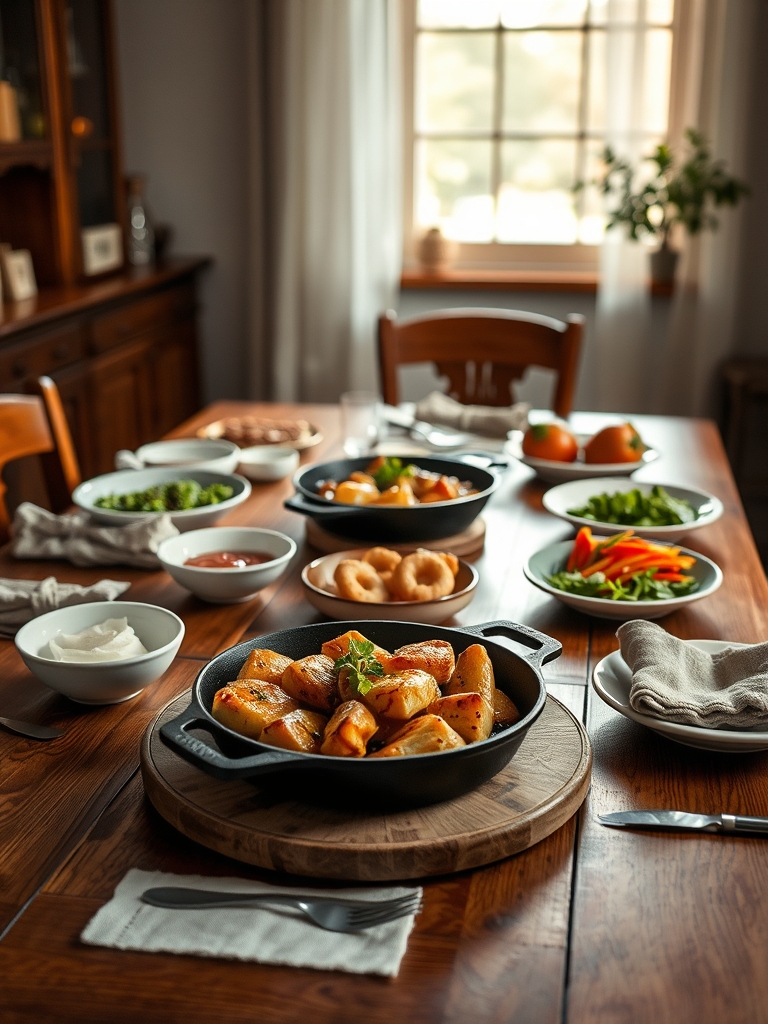
These Cast Iron Searing Portions are incredibly versatile and pair beautifully with a variety of sides. For a light meal, serve them alongside a crisp green salad or roasted asparagus. If you’re looking for something heartier, mashed potatoes, creamy polenta, or even a flavorful risotto make excellent companions. A drizzle of pan sauce, made by deglazing the skillet with a splash of broth or wine, adds an extra layer of gourmet richness.
For storage, allow any leftover Cast Iron Searing Portions to cool completely. Store them in an airtight container in the refrigerator for up to 3-4 days. Reheat gently in a warm oven or a skillet over low heat to prevent drying out. Avoid reheating in the microwave if possible, as it can compromise the texture.
Conclusion
Mastering Cast Iron Searing Portions is a game-changer for any home cook. It’s a technique that promises incredible flavor, perfect texture, and a sense of culinary accomplishment with every meal. From weeknight dinners to special occasions, the ability to create perfectly seared proteins opens up a world of delicious possibilities. Embrace the heat, trust the process, and enjoy the amazing results of your culinary endeavors. For more innovative ideas and delicious recipes like these Cast Iron Searing Portions, keep exploring our blog!
Frequently Asked Questions
Q1: What kind of cast iron skillet is best for Cast Iron Searing Portions?
A: A well-seasoned, heavy-bottomed cast iron skillet is ideal. Lodge or Finex are popular brands known for their durability and excellent heat retention, perfect for achieving consistent Cast Iron Searing Portions.
Q2: How do I know when my skillet is hot enough for searing?
A: Your skillet is hot enough when you see a slight wisp of smoke from the oil, or when a drop of water flicked into the pan immediately evaporates. A proper preheat is vital for successful Cast Iron Searing Portions.
Q3: Can I use this technique for vegetables or other foods?
A: Absolutely! While excellent for protein, the Cast Iron Searing Portions technique also works wonderfully for vegetables like Brussels sprouts, mushrooms, or even thick slices of eggplant, creating a beautiful caramelized exterior.
Q4: Why is it important to rest the meat after cooking?
A: Resting the meat allows the internal juices, which have migrated to the center during cooking, to redistribute throughout the entire piece. This results in a juicier, more tender final product, especially important for quality Cast Iron Searing Portions.
Q5: What if my protein sticks to the pan?
A: Sticking often indicates that the pan wasn’t hot enough, wasn’t properly oiled, or the protein wasn’t patted dry. Ensure your Cast Iron Searing Portions are completely dry and your pan is smoking hot before adding them.
Did you enjoy this recipe?
Looking for more quick and healthy recipes? Try one of our most popular 10-minute meals — delicious, simple, and nutritious.
If you enjoyed this recipe and want more delicious ideas for lunch and dinner, feel free to follow me on Facebook, Telegram, and Pinterest. I share new dishes, kitchen tips, and food inspiration daily. Thank you for your support! ❤️


