Cast Iron Skillet Searing: Easy Steak Perfection
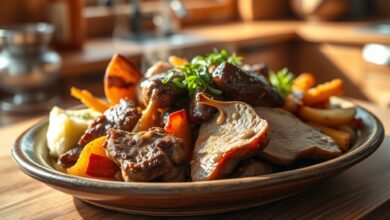
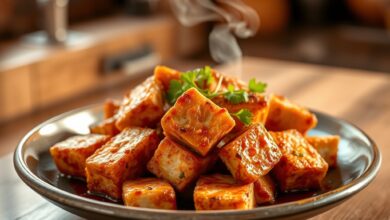
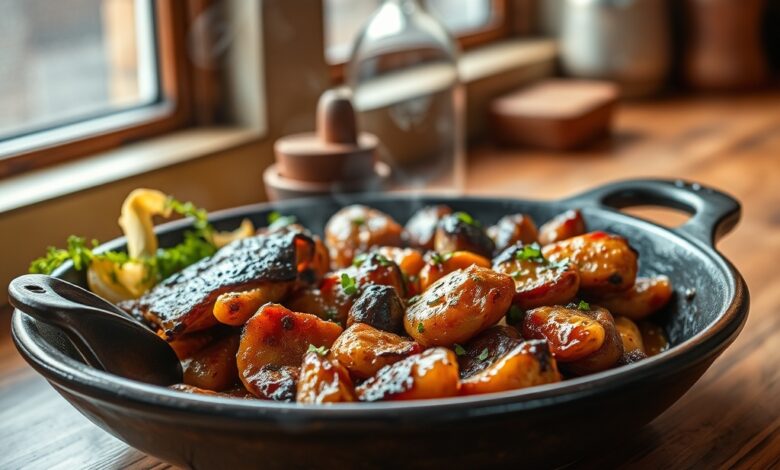
Cast Iron Skillet Searing is an unparalleled technique for achieving restaurant-quality results in your home kitchen, transforming simple ingredients into culinary masterpieces. This method locks in flavors and creates that irresistible crust we all crave, elevating everything from a humble steak to delicate scallops. Master the art of Cast Iron Skillet Searing for consistently delicious meals that impress.
There’s a reason chefs swear by cast iron. Its ability to retain and distribute heat evenly is second to none, making it the ideal vessel for perfect searing. From succulent proteins to vibrant vegetables, the deep, rich flavors you can unlock through effective Cast Iron Skillet Searing are truly extraordinary.
Ingredients & Preparation
Success with Cast Iron Skillet Searing begins with quality ingredients and meticulous preparation. Opt for fresh, high-quality proteins and vibrant, seasonal vegetables to truly elevate your dish.
For Perfect Searing (Example: Steak):
- 1-2 lbs thick-cut steak (ribeye, New York strip, sirloin)
- 1-2 tbsp high smoke point oil (grapeseed, avocado, or refined olive oil)
- 2-3 tbsp unsalted butter (for basting)
- 2-3 sprigs fresh rosemary or thyme
- 2-3 cloves garlic, smashed
- Flaky sea salt and freshly ground black pepper
- Optional: organic spices blend for an extra flavor kick
Preparation:
1. Ensure your protein is completely dry. Pat it down thoroughly with paper towels. Moisture inhibits proper searing, so this step is crucial for an exquisite crust.
2. Season generously. For a steak, liberally apply flaky sea salt and freshly ground black pepper to all sides. Don’t be shy; a good amount of seasoning is essential for flavor.
3. Let the protein come to room temperature for at least 30 minutes before cooking. This ensures even cooking and better results during Cast Iron Skillet Searing.
Step-by-Step Instructions
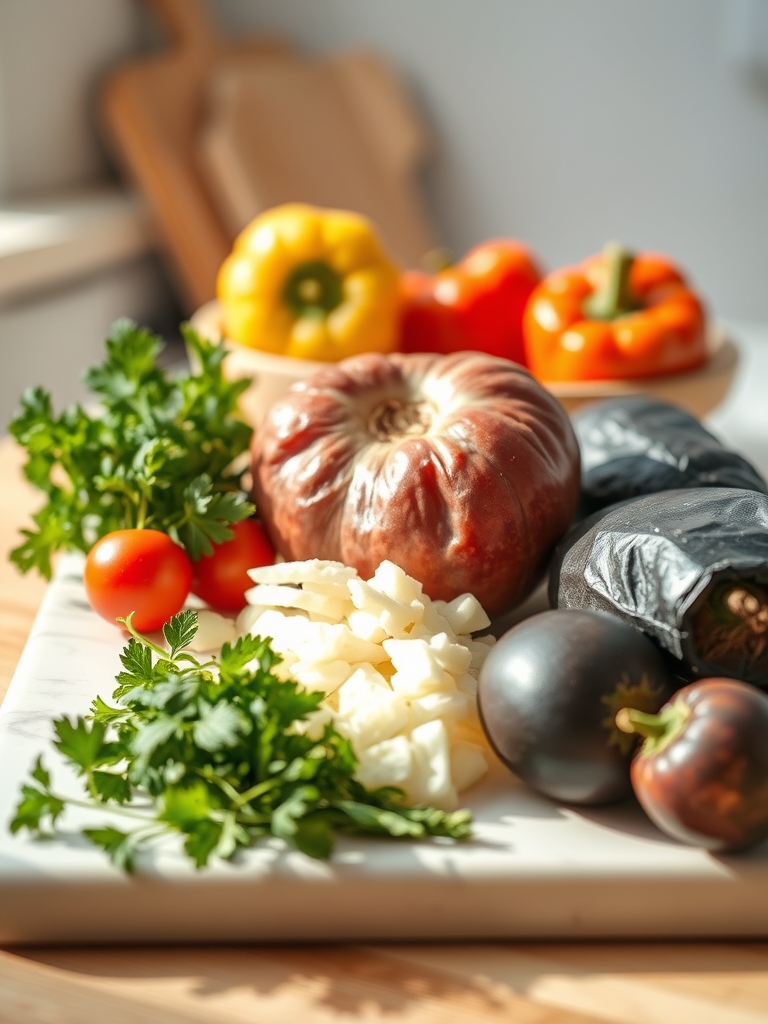
Mastering the technique of Cast Iron Skillet Searing is simpler than you think. Follow these steps for an impeccable crust and juicy interior every time, using your favorite premium cookware.
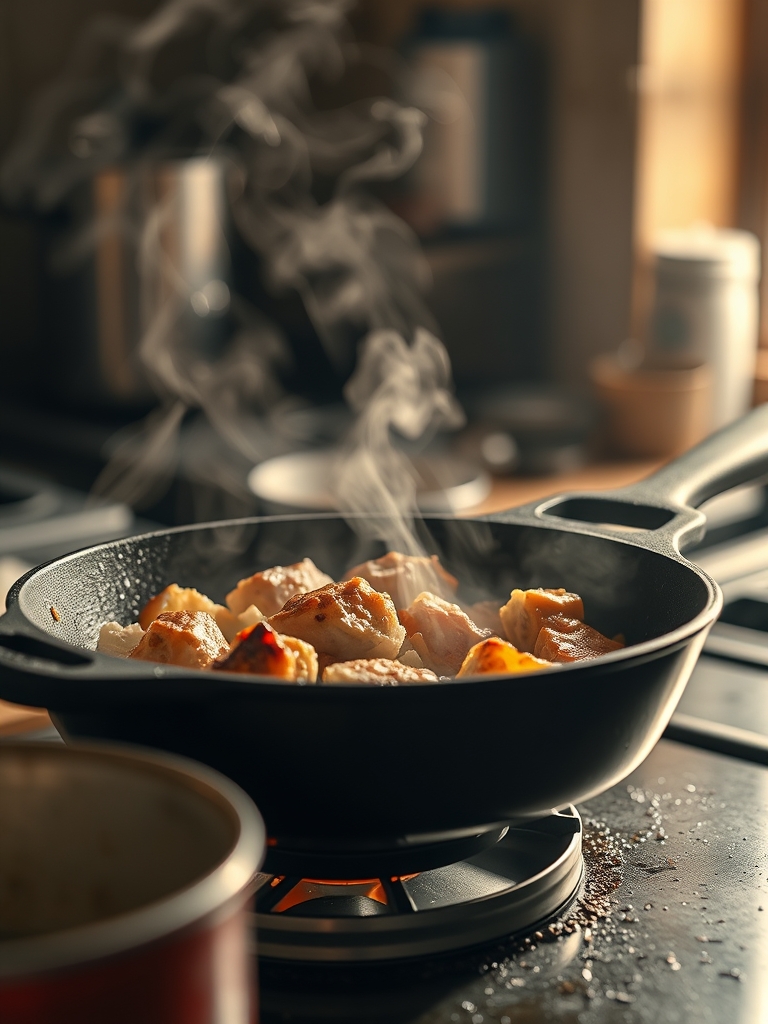
Preheat Your Skillet: Place your cast iron skillet over medium-high heat. Let it preheat for 5-10 minutes until it’s smoking slightly. This is non-negotiable for effective Cast Iron Skillet Searing. You’ll know it’s ready when a drop of water evaporates instantly.
Add Oil: Add the high smoke point oil to the hot skillet, ensuring it thinly coats the bottom. Swirl it around carefully. The oil should shimmer, indicating it’s ready for the protein. For more insights on achieving perfect temperatures, explore Cast Iron Skillet Searing techniques in detail.
Sear the Protein: Carefully place your seasoned protein in the hot skillet. It should sizzle immediately and loudly. Do not move it. Let it sear undisturbed for 2-4 minutes per side, depending on thickness and desired doneness. A professional chef-grade knife helps with precise portioning.
Develop the Crust: Continue to flip the protein every 1-2 minutes for even cooking and crust development on all sides, including the edges. The key to successful Cast Iron Skillet Searing is patience and not overcrowding the pan.
Baste with Aromatics: Once a beautiful crust has formed, reduce the heat slightly to medium-low. Add the butter, rosemary or thyme, and smashed garlic to the skillet. Tilt the pan slightly and use a spoon to continuously baste the melting butter and aromatics over the protein. This step adds incredible flavor and moisture, a hallmark of superior Cast Iron Skillet Searing.
Check Doneness & Rest: Use a meat thermometer to check internal temperature for desired doneness. Once cooked, transfer the protein to a cutting board and let it rest for 5-10 minutes. This allows the juices to redistribute, ensuring a tender and succulent result.
Why You Will Love This Recipe
You will absolutely adore the results of Cast Iron Skillet Searing because it delivers an unparalleled depth of flavor and texture. The intense heat creates a deeply caramelized, savory crust that locks in the natural juices of your protein, leading to a tender, succulent interior. It’s a technique that truly transforms everyday ingredients into gourmet meals.
Beyond the taste, the satisfaction of perfecting a fundamental cooking skill like Cast Iron Skillet Searing is incredibly rewarding. It’s versatile, relatively quick, and leaves you with a meal that feels both rustic and refined. This method makes a statement with every dish.
Chef’s Tips for Perfection
Pro Techniques
To truly master Cast Iron Skillet Searing, consider these professional tips. Achieving the perfect sear is about understanding heat management and timing, much like a seasoned culinary artist. This takes your cooking from good to absolutely phenomenal.
- Optimal Temperature: Always ensure your cast iron is screaming hot before adding oil or food. Smoke point is a good indicator. This initial high heat is what creates the “Maillard reaction” and that desirable crust.
- Don’t Overcrowd: Cook in batches if necessary. Overcrowding the skillet drops the temperature too quickly, leading to steaming instead of searing. This ruins the potential for a proper Cast Iron Skillet Searing experience.
- Rest Your Protein: This cannot be overstated. Resting allows muscle fibers to relax and reabsorb juices, preventing them from running out when sliced. A good rest is crucial for tenderness, especially after intense Cast Iron Skillet Searing.
- Use a High-Quality Thermometer: For consistent results, especially with expensive cuts of meat, invest in a reliable instant-read thermometer. It takes the guesswork out of achieving perfect doneness.
Common Mistakes to Avoid
Even experienced cooks can fall prey to common pitfalls when using this method. Avoiding these errors will ensure your Cast Iron Skillet Searing efforts are always successful.
- Insufficient Preheating: Not heating the skillet enough is the biggest mistake. A lukewarm pan will result in dull, grey food rather than a beautiful, crispy sear.
- Moving Food Too Soon: Resist the urge to constantly flip or move the food. A proper crust needs time to form and release naturally from the pan.
- Ignoring the Dryness: As mentioned, wet surfaces steam. Always pat your protein completely dry to facilitate the crispest sear possible.
- Using Low Smoke Point Oils: Olive oil (extra virgin) or butter alone will burn at high searing temperatures, imparting bitter flavors. Stick to high smoke point oils initially for Cast Iron Skillet Searing.
Serving & Storage
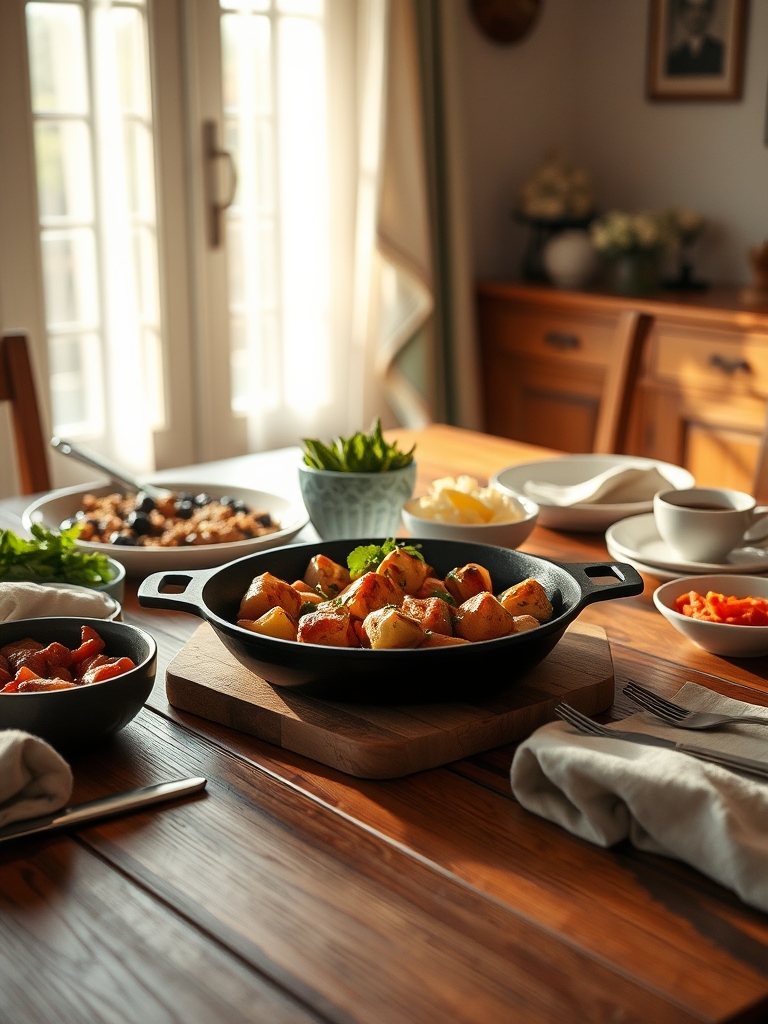
Once your Cast Iron Skillet Searing masterpiece is complete, presentation and proper storage are key. Serve immediately after resting for the best experience.
Serving Suggestions:
- For steak, slice against the grain and serve with a dollop of compound butter or a vibrant chimichurri.
- Pair with roasted vegetables, creamy mashed potatoes, or a fresh, crisp salad to complement the rich flavors.
- Finish with a sprinkle of flaky sea salt for an extra pop of texture and taste.
Storage:
Store any leftovers in an airtight container in the refrigerator for up to 3-4 days. While the crispy crust will soften, the flavors will still be delicious. Reheat gently in a conventional oven or toaster oven to best preserve texture, avoiding the microwave if possible.
Conclusion
Mastering Cast Iron Skillet Searing is a game-changer for any home cook, unlocking a world of flavor and texture that elevates everyday meals to extraordinary dining experiences. With practice, patience, and attention to detail, you’ll be creating perfectly seared dishes that rival your favorite restaurants. It’s an investment in your culinary skills that truly pays off, especially when using premium cookware.
Embrace the sizzle, enjoy the aroma, and savor the incredible taste that only Cast Iron Skillet Searing can deliver. For more essential cooking techniques and delicious recipes, be sure to check out our collection of expert-approved guides on Cast Iron Skillet Searing and beyond.
Frequently Asked Questions
Q1: What is the ideal temperature for Cast Iron Skillet Searing?
A1: The ideal temperature is high heat, just below the smoke point of your chosen oil. The skillet should be preheated for 5-10 minutes until it’s smoking slightly, ensuring a rapid and effective Cast Iron Skillet Searing process.
Q2: Can I sear vegetables using a cast iron skillet?
A2: Absolutely! Cast Iron Skillet Searing is excellent for vegetables like Brussels sprouts, broccoli, or bell peppers. They develop a beautiful char and tender-crisp texture, benefiting greatly from the even, intense heat.
Q3: How do I prevent food from sticking during Cast Iron Skillet Searing?
A3: Ensure your skillet is well-seasoned, properly preheated, and use enough high smoke point oil. Don’t move the food too soon; it will naturally release when a good crust has formed, a key aspect of successful Cast Iron Skillet Searing.
Q4: What’s the best way to clean a cast iron skillet after searing?
A4: After your Cast Iron Skillet Searing, allow the pan to cool slightly. Scrape off any stuck-on bits with a metal spatula, then scrub with hot water and a stiff brush (no soap). Dry thoroughly on the stovetop over low heat, then apply a thin layer of oil.
Q5: How does Cast Iron Skillet Searing compare to other searing methods?
A5: Cast iron excels due to its superior heat retention and distribution. Unlike thinner pans, it maintains a consistent high temperature even after adding food, resulting in a more uniform and effective crust, making Cast Iron Skillet Searing a preferred method for many chefs.
Did you enjoy this recipe?
Looking for more quick and healthy recipes? Try one of our most popular 10-minute meals — delicious, simple, and nutritious.
If you enjoyed this recipe and want more delicious ideas for lunch and dinner, feel free to follow me on Facebook, Telegram, and Pinterest. I share new dishes, kitchen tips, and food inspiration daily. Thank you for your support! ❤️