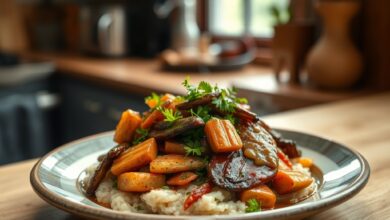

Keto Frying: Best, Easy & Delicious Recipes!
Keto Frying is a revolutionary culinary technique that allows you to enjoy delightfully crispy, flavorful dishes while strictly adhering to your low-carb, high-fat ketogenic diet. This method focuses on using fats with high smoke points and specific cooking approaches to achieve that perfect golden crust without compromising your nutritional goals. Mastering Keto Frying opens up a world of delicious possibilities, transforming everyday ingredients into gourmet delights. For more incredible low-carb meal ideas, explore our guide to Keto Frying.
| Prep Time | Cook Time | Calories | Cuisine | Difficulty |
|---|---|---|---|---|
| 15 minutes | 20 minutes | ~450 kcal | Keto/American | Easy |
Ingredients & Preparation

Preparing for your Keto Frying adventure begins with selecting the right ingredients. Quality makes all the difference in flavor and adherence to your dietary goals. Here’s what you’ll need to create a mouth-watering fried dish.
- Protein: 1.5 lbs boneless, skinless chicken thighs or thick-cut pork chops, patted very dry.
- Fats for Frying: 1/2 cup avocado oil, ghee, or high-quality lard.
- Flavor Base: 2 tbsp Keto Frying friendly almond flour or coconut flour for dredging.
- Seasoning: 1 tsp paprika, 1/2 tsp garlic powder, 1/2 tsp onion powder, 1/4 tsp cayenne pepper (optional), salt, and black pepper to taste. Consider using organic spices for a purer, more vibrant flavor.
- Garnish: Fresh parsley or cilantro, chopped.
- Optional: 1 tbsp grated Parmesan cheese for extra crispiness in the dredge.
Preparation Steps:
1. Pat Dry: Ensure your protein is thoroughly dry using paper towels. This is a critical step for achieving a crispy exterior during Keto Frying.
2. Season: In a shallow dish, combine the flour, paprika, garlic powder, onion powder, cayenne (if using), salt, and pepper. Mix well.
3. Dredge: Lightly coat each piece of protein in the seasoned flour mixture. Shake off any excess.
Step-by-Step Instructions

Achieving the perfect crispy exterior and juicy interior with Keto Frying requires precision. Follow these steps carefully to ensure your dish is cooked to perfection. This method works wonderfully with various proteins.
1. Heat the Oil: Place a heavy-bottomed pan or a cast iron skillet over medium-high heat. Add your chosen Keto Frying oil, ensuring it’s at least 1/2 inch deep. Heat the oil until it shimmers but doesn’t smoke (around 350-375°F or 175-190°C).
2. Add Protein: Carefully place the dredged protein into the hot oil, ensuring not to overcrowd the pan. Cook in batches if necessary to maintain oil temperature and allow even browning. Overcrowding can lower the oil temperature and prevent proper crisping, impacting your Keto Frying results.
3. Fry First Side: Fry for 4-6 minutes on one side until deeply golden brown and crispy. Avoid moving the protein too much during this stage; let it form a crust.
4. Flip and Finish: Gently flip each piece using tongs. Continue to fry for another 4-6 minutes, or until the internal temperature reaches 165°F (74°C) for chicken or 145°F (63°C) for pork. This precise Keto Frying method ensures food is safely cooked and deliciously tender.
5. Drain: Once cooked, transfer the fried protein to a wire rack set over a baking sheet to drain any excess oil. This helps maintain crispiness.
6. Rest: Allow the protein to rest for a few minutes before serving. This allows the juices to redistribute, ensuring a tender and flavorful bite.
7. Serve: Garnish with fresh herbs and serve immediately. This delightful Keto Frying meal is sure to impress.
Why You Will Love This Recipe
This Keto Frying recipe isn’t just a meal; it’s an experience. You’ll savor the incredibly crispy exterior, which gives way to a tender, juicy interior that is bursting with flavor. It’s remarkably satisfying and perfectly aligns with your ketogenic lifestyle. Enjoying such delicious food makes maintaining your dietary goals effortless and enjoyable.
The subtle spice and rich aroma will make this a staple in your low-carb kitchen. It’s a testament to how flavorful and exciting keto cooking can be. This recipe proves that healthy eating doesn’t mean sacrificing taste.
Chef’s Tips for Perfection
Achieving culinary excellence in Keto Frying goes beyond just following steps. These professional techniques will elevate your dish. Pay close attention to these details for truly outstanding results.
Pro Techniques
- Temperature Control: Use a cooking thermometer to monitor your oil temperature precisely. Maintaining the ideal temperature (350-375°F) is crucial for achieving a crispy crust without burning. Inconsistent temperatures are a common pitfall in the art of Keto Frying.
- Don’t Overcrowd: Frying in small batches is non-negotiable. Overcrowding drops the oil temperature, leading to soggy, greasy food instead of perfectly crisp results. Invest in premium cookware like a wide cast iron skillet for optimal heat distribution.
- Seasoning Depth: Ensure your protein is well-seasoned, not just on the surface. A good marinade, even for 30 minutes, can dramatically enhance flavor. Use high-quality organic spices for the best taste.
- Resting Period: Always allow the fried protein to rest for 5-10 minutes after cooking. This crucial step allows the juices to redistribute, resulting in a more tender and flavorful bite. It’s a small detail that makes a big difference.
Common Mistakes to Avoid
Even experienced cooks can stumble when trying new techniques. Be aware of these common pitfalls to ensure excellent Keto Frying results every time. Learning from potential errors will refine your skills.
- Wet Protein: This is the most common mistake. Any moisture on the protein will cause the oil to splatter and prevent a crisp crust from forming. Always pat your protein rigorously dry before seasoning and dredging.
- Insufficient Oil Heat: If your oil isn’t hot enough, the food will absorb too much oil and become greasy instead of crispy. Conversely, oil that is too hot will burn the exterior before the interior is cooked. Trust your thermometer.
- Over-Flipping: Resist the urge to constantly flip the protein. Let each side develop a deep golden-brown crust undisturbed. Excessive flipping disrupts the cooking process and prevents proper browning.
- Neglecting Resting: Skipping the resting period means the juices haven’t settled, leading to dry meat. A few minutes of rest will significantly improve the texture and juiciness of your Keto Frying masterpiece.
Serving & Storage

Your delicious Keto Frying creation deserves to be served and stored properly. These tips will help you enjoy it at its best and keep any leftovers fresh. Presentation and preservation are key.
Serving Suggestions:
- Fresh Greens: Serve alongside a simple side salad with a vinaigrette dressing.
- Steamed Vegetables: Broccoli, asparagus, or green beans tossed in butter or olive oil make excellent keto-friendly sides.
- Cauliflower Mash: A creamy cauliflower mash offers a comforting counterpoint to the crispy fried protein.
- Dipping Sauces: Offer keto-friendly dipping sauces like sugar-free BBQ sauce, a garlic aioli, or a spicy mayo.
Storage Instructions:
- Refrigeration: Store any leftover fried protein in an airtight container in the refrigerator for up to 3-4 days.
- Reheating: To retain crispiness, reheat in an oven or air fryer at 350°F (175°C) for 10-15 minutes, or until thoroughly heated through. Avoid microwaving, as it can make the coating soggy.
Conclusion
Embracing Keto Frying is a fantastic way to keep your ketogenic diet exciting and incredibly flavorful. From selecting the right fats to mastering oil temperature, each step contributes to a dish that is both satisfying and perfectly compliant with your low-carb goals. Don’t shy away from experimenting with different proteins and seasonings to find your favorite combinations. This method proves that healthy eating never has to be boring. For more inspiration on crafting the ultimate Keto Frying dishes, keep exploring our recipe collection!
Frequently Asked Questions
Q1: What is Keto Frying, and how is it different from regular frying?
A: Keto Frying is a method of deep-frying or pan-frying foods using high-fat, low-carb ingredients and oils suitable for the ketogenic diet. The main difference is the focus on keto-compliant oils (like avocado oil, lard, ghee) and low-carb coatings (almond or coconut flour) instead of traditional wheat-based flours. This ensures the dish remains ketogenic while still achieving delicious crispiness.
Q2: What are the best oils for Keto Frying?
A: For Keto Frying, it’s crucial to use oils with a high smoke point and a healthy fat profile. Avocado oil, ghee, and lard are excellent choices. Coconut oil can also be used, but ensure it’s refined if you don’t want a coconut flavor. Olive oil is generally not recommended for high-heat frying due to its lower smoke point.
Q3: Is Keto Frying healthy?
A: When done correctly with the right oils and ingredients, Keto Frying can be a part of a healthy ketogenic diet. It provides healthy fats and can be a delicious way to prepare protein and vegetables. However, like any fried food, moderation is key. Choosing quality fats and ensuring proper oil temperature minimizes oil absorption.
Q4: Can I use an air fryer for a similar effect?
A: While an air fryer can give you crispy results, it’s not strictly Keto Frying as it uses very little oil. An air fryer is a fantastic tool for achieving a similar texture with less fat, making it a great alternative for many keto recipes. However, for true fried taste and texture, traditional Keto Frying is the way to go.
Q5: How can I expand my Keto Frying repertoire?
A: To expand your Keto Frying skills, experiment with different proteins like shrimp, fish, or even vegetables like zucchini fries or onion rings (using keto-friendly batter). Explore various spice blends and keto-friendly dipping sauces. Don’t be afraid to try new combinations and perfect your technique with each batch.
Did you enjoy this recipe?
Looking for more quick and healthy recipes? Try one of our most popular 10-minute meals — delicious, simple, and nutritious.
If you enjoyed this recipe and want more delicious ideas for lunch and dinner, feel free to follow me on Facebook, Telegram, and Pinterest. I share new dishes, kitchen tips, and food inspiration daily. Thank you for your support! ❤️