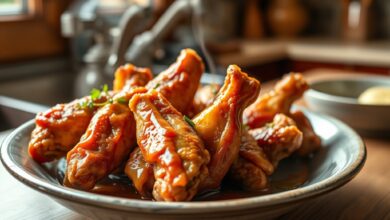

Best New Orleans Beignets: Easy Homemade Recipe!
New Orleans Beignets is more than just a sweet treat; it’s an iconic piece of culinary history, a fluffy, square doughnut generously dusted with powdered sugar, evocative of lazy mornings and vibrant café culture. This beloved delicacy transports you straight to the historic French Quarter with every bite. If you’re yearning to recreate that magic at home, you’ve come to the right place. Dive into our comprehensive guide to mastering the perfect New Orleans Beignets recipe, ensuring an authentic taste and an unforgettable experience.
| Prep Time | Cook Time | Calories | Cuisine | Difficulty |
|---|---|---|---|---|
| 2 hours 30 minutes (incl. proofing) | 15-20 minutes | Approx. 250-300 per serving | Cajun/Creole, American | Medium |
Ingredients & Preparation

Crafting perfect New Orleans Beignets begins with selecting the right ingredients. Opting for high-quality components ensures the best flavor and texture. Think about using organic whole milk and fresh yeast for optimal rise and a truly delightful crumb.
- 1 cup warm water (105-115°F)
- 1 package (2¼ teaspoons) active dry yeast
- ½ cup granulated sugar
- 1 teaspoon salt
- 1 large egg
- 1 cup evaporated milk
- ½ cup unsalted butter, melted
- 7-8 cups all-purpose flour (consider a premium baking flour for superior results)
- 4-6 cups vegetable oil, for deep-frying
- Plenty of powdered sugar, for dusting
Ensure all your ingredients are at room temperature before you begin. This consistency is crucial for proper dough development. Preparing your mise en place will make the entire baking process smooth and enjoyable, especially when working with sticky dough.
Step-by-Step Instructions

- Activate the Yeast: In a large mixing bowl, combine the warm water, yeast, and 1 tablespoon of the granulated sugar. Let it stand for 5-10 minutes until foamy. This confirms your yeast is active and ready to make your New Orleans Beignets light and airy.
- Mix Wet Ingredients: Add the remaining granulated sugar, salt, egg, evaporated milk, and melted butter to the yeast mixture. Whisk everything together until well combined.
- Incorporate Flour: Gradually add the flour, 1 cup at a time, mixing after each addition. The dough will be sticky at first. If using a stand mixer, use the dough hook attachment; otherwise, use a sturdy wooden spoon.
- Knead the Dough: Turn the dough out onto a lightly floured surface. Knead for about 8-10 minutes, or until it’s smooth and elastic. The dough for these New Orleans Beignets should still be soft and slightly sticky.
- First Rise: Place the dough in a lightly oiled bowl, turning it once to coat. Cover with plastic wrap and let it rise in a warm place for 1½-2 hours, or until doubled in size. This slow fermentation is key to flavor development.
- Chill (Optional but Recommended): For easier handling and a richer flavor, you can punch down the dough, re-cover, and refrigerate overnight. This step is particularly helpful for achieving perfectly puffy New Orleans Beignets.
- Roll and Cut: On a well-floured surface, roll the dough to about ¼-inch thickness. Using a sharp, chef-grade knife or a pizza cutter, cut the dough into 2-inch squares.
- Second Rise (Proofing): Place the cut squares on floured parchment paper, leaving space between them. Cover lightly and let them rise for another 30-45 minutes. They should look visibly puffed.
- Heat Oil: In a large, heavy-bottomed pot or a cast iron skillet, heat 4-6 cups of vegetable oil to 350°F (175°C). Use a candy thermometer to monitor the temperature accurately.
- Fry the Beignets: Carefully drop a few squares into the hot oil, ensuring not to overcrowd the pan. Fry for 1-2 minutes per side, or until golden brown. They should puff up beautifully.
- Drain and Dust: Remove the fried beignets with a slotted spoon and drain them on paper towels. While still warm, generously dust them with powdered sugar. Serve immediately.
Why You Will Love This Recipe
There’s an undeniable charm to these homemade New Orleans Beignets. They offer an unparalleled combination of crispy exterior and tender, airy interior. The subtle sweetness from the dough perfectly balances the abundant powdered sugar, creating a melt-in-your-mouth experience that is simply divine.
Beyond the incredible taste, making these beignets is a truly rewarding culinary journey. It’s a chance to connect with a rich tradition and share a piece of New Orleans culture with your loved ones. The aroma filling your kitchen will be intoxicating, promising a delicious outcome.
Chef’s Tips for Perfection
Pro Techniques
Achieving truly perfect New Orleans Beignets requires a few insider tricks. Firstly, always use fresh oil for frying; old oil can impart off-flavors. Maintain a consistent oil temperature of 350°F; too low, and your beignets will be greasy; too high, and they’ll brown too quickly without cooking through.
Don’t be shy with the powdered sugar! The classic presentation involves a generous dusting, so have plenty on hand. For the best flavor, consider sifting your powdered sugar for an even, lump-free coating. Using organic spices in your cooking will elevate the overall profile.
Common Mistakes to Avoid
One common pitfall when making New Orleans Beignets is overcrowding the frying pan. This drops the oil temperature significantly, resulting in greasy, dense beignets instead of light, fluffy ones. Fry in small batches to maintain optimal temperature and ensure consistent cooking.
Another mistake is not giving the dough enough time to rise. Patience is a virtue in baking, especially with yeast doughs. An insufficient rise leads to tough, chewy beignets. Also, resist the urge to over-knead the dough, which can activate too much gluten and make them rubbery.
Serving & Storage

New Orleans Beignets are best enjoyed immediately, straight out of the fryer and generously coated in powdered sugar. Traditionally, they are served with a hot cup of café au lait, a perfect pairing that cuts through the sweetness and richness of the pastry. For a gourmet touch, consider serving with a side of raspberry coulis.
While fresh is best, leftover beignets can be stored at room temperature in an airtight container for up to 24 hours. Reheat them gently in a warm oven for a few minutes to regain some crispness, then re-dust with powdered sugar. These particular New Orleans Beignets seldom last long enough to require storage!
Conclusion
Mastering the art of making New Orleans Beignets at home is a culinary triumph that brings a piece of Crescent City charm to your kitchen. From the initial rise of the yeast to the final dusting of powdered sugar, every step is a labor of love that results in pure delight. Share these exquisite treats with family and friends, and watch their faces light up with joy.
Embrace the tradition, experiment with your New Orleans Beignets, and savor every single sweet, fluffy bite. Don’t hesitate to invest in premium cookware for a truly exceptional baking experience. Happy frying!
Frequently Asked Questions
Q: Can I prepare the dough for New Orleans Beignets ahead of time?
A: Yes, absolutely! After the first rise, you can punch down the dough, cover it tightly with plastic wrap, and refrigerate it overnight (up to 24 hours). This actually enhances the flavor of your New Orleans Beignets.
Q: What’s the secret to perfectly puffy New Orleans Beignets?
A: The secret lies in fresh yeast, proper proofing times, and maintaining a consistent oil temperature of 350°F (175°C) during frying. Don’t rush the process for your New Orleans Beignets.
Q: Can I use an air fryer to cook New Orleans Beignets?
A: While you can attempt it, air frying won’t achieve the classic fluffy, oil-fried texture and taste of traditional New Orleans Beignets. Deep-frying is highly recommended for authenticity.
Q: What kind of oil is best for frying these New Orleans Beignets?
A: Neutral oils with a high smoke point are best. Vegetable oil, canola oil, or peanut oil are excellent choices for frying your New Orleans Beignets. Using a high-performance blender for batter is not applicable here.
Q: How do I prevent my New Orleans Beignets from becoming greasy?
A: The key is maintaining the oil at the correct temperature (350°F). If the oil is too cool, the beignets will absorb too much oil. Also, don’t overcrowd the pot, as this will drop the temperature. Consider using premium cookware for better heat distribution.
Did you enjoy this recipe?
Looking for more quick and healthy recipes? Try one of our most popular 10-minute meals — delicious, simple, and nutritious.
If you enjoyed this recipe and want more delicious ideas for lunch and dinner, feel free to follow me on Facebook, Telegram, and Pinterest. I share new dishes, kitchen tips, and food inspiration daily. Thank you for your support! ❤️