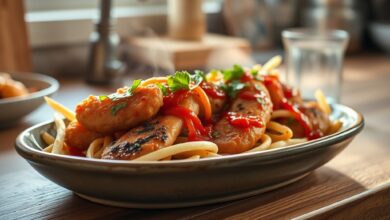

Ketogenic Frying: Easy & Delicious Recipes!
Ketogenic Frying is a culinary art that marries the rich flavors of expertly seared ingredients with the stringent requirements of a low-carb, high-fat diet. Mastering this technique unlocks a world of delicious possibilities, transforming everyday meals into gourmet experiences while keeping you in ketosis. This guide will walk you through creating a perfect fried dish that’s both deeply satisfying and perfectly aligned with your ketogenic lifestyle. Explore more incredible recipes designed for your keto journey with our Ketogenic Frying guide, ensuring every bite is a step towards your health goals.
Quick Recipe Stats
| Prep Time | Cook Time | Calories | Cuisine | Difficulty |
|---|---|---|---|---|
| 15 minutes | 20 minutes | Approx. 450-550 kcal | Fusion Keto | Easy to Medium |
Ingredients & Preparation

Achieving perfect Ketogenic Frying begins with selecting the finest ingredients. Quality truly makes a difference, especially when focusing on nutrient density.
For the Protein (Choose One):
- 4 Boneless, skinless chicken thighs (approx. 1.5 lbs), cut into 1-inch pieces
- OR 1.5 lbs firm tofu, pressed and cut into 1-inch cubes
- OR 1.5 lbs shrimp, peeled and deveined
For the Vegetables:
- 1 head broccoli, cut into small florets
- 1 red bell pepper, thinly sliced
- 1 cup sliced mushrooms
- 1/2 cup green onions, sliced (for garnish)
For the Sauce:
- 1/4 cup tamari or coconut aminos
- 2 tablespoons rice vinegar (sugar-free)
- 1 tablespoon sesame oil (toasted)
- 1 teaspoon grated fresh ginger
- 2 cloves garlic, minced
- 1/2 teaspoon red pepper flakes (optional, for heat)
- 1/4 teaspoon xanthan gum (for thickening, optional)
For Frying:
- 3 tablespoons avocado oil or ghee (high smoke point fat)
- Salt and freshly ground black pepper to taste
- Sesame seeds for garnish (optional)
For optimal results, consider using organic spices and a set of chef-grade knives for precise chopping. This elevates both the flavor and presentation of your meal.
Step-by-Step Instructions

Mastering the art of Ketogenic Frying requires attention to detail and proper heat management. Follow these steps for a dish that’s bursting with flavor and perfectly keto-compliant.
- Prepare the Protein: Pat your chosen protein (chicken, tofu, or shrimp) thoroughly dry with paper towels. Season generously with salt and black pepper. Ensuring the protein is dry is key to achieving a beautiful sear.
- Whisk the Sauce: In a small bowl, combine the tamari, rice vinegar, sesame oil, grated ginger, minced garlic, and red pepper flakes (if using). If you prefer a thicker sauce, whisk in 1/4 teaspoon of xanthan gum until smooth.
- Heat the Pan: Heat 2 tablespoons of avocado oil or ghee in a large cast iron skillet or a premium cookware wok over medium-high heat until shimmering. A hot pan is crucial for effective Ketogenic Frying.
- Fry the Protein: Add the seasoned protein to the hot pan in a single layer, ensuring not to overcrowd it. Cook for 3-5 minutes per side, or until golden brown and cooked through (chicken/shrimp) or crispy (tofu). Remove the cooked protein from the pan and set aside. Learn more about advanced searing techniques in our guide to Ketogenic Frying.
- Sauté the Vegetables: Add the remaining 1 tablespoon of avocado oil or ghee to the pan. Add the broccoli florets and red bell pepper slices. Sauté for 5-7 minutes, stirring occasionally, until tender-crisp.
- Add Mushrooms and Combine: Stir in the sliced mushrooms and cook for another 2-3 minutes until they soften and release their moisture. Return the cooked protein to the pan with the vegetables. This blending of flavors is essential for delicious Ketogenic Frying.
- Add the Sauce: Pour the whisked sauce over the protein and vegetables. Stir well to coat everything evenly. Bring the sauce to a gentle simmer and cook for 1-2 minutes, allowing it to thicken slightly and flavors to meld.
- Garnish and Serve: Remove from heat. Garnish with sliced green onions and a sprinkle of sesame seeds. Serve immediately.
Why You Will Love This Recipe
This recipe for Ketogenic Frying isn’t just a meal; it’s an experience. You’ll adore how effortlessly it fits into your keto lifestyle without compromising on taste or satisfaction. The quick cooking time makes it a perfect weeknight solution.
Each bite delivers a symphony of savory, umami-rich flavors, perfectly balanced with a delightful texture. The high-quality fats used in Ketogenic Frying provide sustained energy and satiety, keeping cravings at bay. It’s a testament to how flavorful healthy eating can be.
Chef’s Tips for Perfection
Pro Techniques
Elevate your Ketogenic Frying game with these expert tips. Achieving restaurant-quality results is all about paying attention to a few key details.
- Don’t Overcrowd the Pan: Frying in batches ensures proper searing and prevents ingredients from steaming. Overcrowding lowers the pan’s temperature, leading to a dull, rather than crisp, finish.
- High Smoke Point Oils: Always use oils with a high smoke point like avocado oil, ghee, or coconut oil (refined). These fats can withstand high temperatures without breaking down or producing harmful compounds, which is crucial for authentic Ketogenic Frying.
- Season in Layers: Season your protein before cooking, and then taste and adjust the seasoning of the finished dish. This layered approach builds depth of flavor.
- Invest in a Quality Skillet: A good quality cast iron skillet or stainless steel pan from premium cookware will distribute heat evenly, giving you consistent results every time you engage in Ketogenic Frying.
Common Mistakes to Avoid
Even seasoned cooks can sometimes falter. Here are some common pitfalls to avoid when attempting Ketogenic Frying, ensuring your dish is always a triumph.
Firstly, using too much sauce too early can prevent proper searing. Add the sauce only after your protein and vegetables have achieved their desired crispness. This preserves the textural integrity vital for enjoyable Ketogenic Frying.
Secondly, not patting your protein dry enough is a major error. Excess moisture leads to steaming, not frying, resulting in bland and rubbery textures. Always take the extra minute to thoroughly dry your ingredients before they hit the hot pan.
Finally, cooking on too low a heat will not produce the desired crust. Ensure your pan is properly preheated and maintain a medium-high temperature throughout the Ketogenic Frying process. This creates that irresistible golden-brown finish.
Serving & Storage

This exquisite Ketogenic Frying dish is best enjoyed fresh off the pan. The vibrant flavors and textures are at their peak immediately after cooking.
For a complete keto meal, serve it alongside cauliflower rice, a side of steamed greens, or a simple green salad dressed with a high-performance blender-made vinaigrette. The contrasting textures and flavors create a beautifully balanced plate.
Should you have leftovers, store them in an airtight container in the refrigerator for up to 3 days. Reheat gently in a skillet over medium heat to prevent drying out, or microwave for a quick meal. Be aware that the vegetables might lose some of their crispness upon reheating.
Conclusion
Mastering Ketogenic Frying opens a world of culinary delights, proving that healthy eating can be incredibly satisfying and flavorful. This recipe is a perfect example of how simple, high-quality ingredients, combined with proper technique, can create an unforgettable meal. We hope this comprehensive guide has empowered you to embrace the delicious possibilities of Ketogenic Frying in your own kitchen.
From choosing premium organic spices to perfecting your searing technique, every step contributes to a dish that nourishes both body and soul. Don’t shy away from experimenting with different proteins and vegetables to make this recipe truly your own. Happy cooking!
Frequently Asked Questions
Q1: What is the best oil for Ketogenic Frying?
A1: For optimal Ketogenic Frying, use oils with a high smoke point and healthy fat profile. Avocado oil, ghee, and coconut oil (refined) are excellent choices as they remain stable at high temperatures and contribute beneficial fats to your diet.
Q2: Can I use different vegetables in this Ketogenic Frying recipe?
A2: Absolutely! This recipe is highly adaptable. Feel free to substitute with other keto-friendly vegetables like asparagus, green beans, spinach, or zucchini. Adjust cooking times as needed to achieve desired tenderness.
Q3: How do I prevent my protein from sticking to the pan during Ketogenic Frying?
A3: To prevent sticking, ensure your pan is adequately preheated and use enough high-smoke-point oil. Additionally, patting your protein very dry before adding it to the pan creates a better sear and prevents sticking.
Q4: Is the xanthan gum necessary for the sauce?
A4: Xanthan gum is optional but recommended if you prefer a thicker, more clinging sauce. It’s a keto-friendly thickener that helps achieve that desirable consistency, enhancing the overall experience of your Ketogenic Frying dish.
Q5: Can I make this Ketogenic Frying recipe spicy?
A5: Yes! To add more heat, increase the amount of red pepper flakes in the sauce. You could also add a dash of your favorite keto-friendly hot sauce or a few slices of fresh jalapeño during the vegetable sautéing step.
Did you enjoy this recipe?
Looking for more quick and healthy recipes? Try one of our most popular 10-minute meals — delicious, simple, and nutritious.
If you enjoyed this recipe and want more delicious ideas for lunch and dinner, feel free to follow me on Facebook, Telegram, and Pinterest. I share new dishes, kitchen tips, and food inspiration daily. Thank you for your support! ❤️