Cast Iron Searing: Best Easy 30-Min Steak
Cast Iron Searing is the ultimate technique for achieving that perfect, crispy crust on your favorite proteins and vegetables. Mastering this method transforms simple meals into gourmet experiences right in your own kitchen.
There’s nothing quite like the sizzle and aroma of food hitting a perfectly heated cast iron skillet. This technique isn’t just about cooking; it’s about unlocking incredible flavor and texture that other cooking methods simply can’t replicate. If you’re ready to elevate your culinary skills, embracing Cast Iron Searing is your secret weapon.
| Category | Details |
|---|---|
| Prep Time | 15 minutes |
| Cook Time | 10-20 minutes (depending on item) |
| Calories | Varies by ingredients |
| Cuisine | Global |
| Difficulty | Easy to Medium |
Ingredients & Preparation
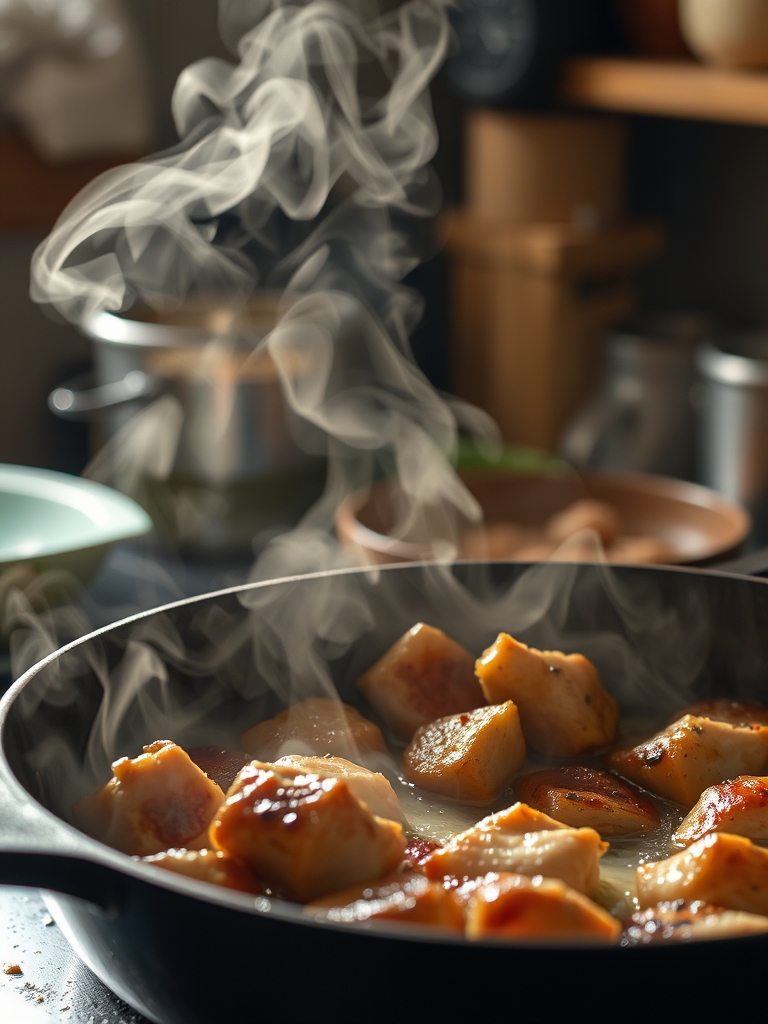
Achieving perfect Cast Iron Searing begins with high-quality ingredients and proper preparation. Select fresh, premium ingredients to truly make your dish shine.
- Protein of Choice: 2 boneless, skinless chicken breasts (6-8 oz each), 2 thick-cut steaks (ribeye or New York strip), or firm tofu steaks.
- Healthy Fats: 2 tablespoons high smoke point oil like avocado oil, grapeseed oil, or clarified butter.
- Seasoning: 1 teaspoon sea salt, ½ teaspoon freshly ground black pepper, 1 teaspoon garlic powder. Consider using organic spices for superior flavor.
- Aromatics (Optional): 2 sprigs fresh rosemary or thyme, 2 cloves garlic, smashed.
- Finishing Touch: 1 tablespoon unsalted butter.
Ensure your protein is patted completely dry with paper towels. This crucial step prevents steaming and encourages that beautiful, golden-brown crust we’re aiming for with Cast Iron Searing. Season generously on all sides with salt, pepper, and garlic powder just before cooking.
Step-by-Step Instructions
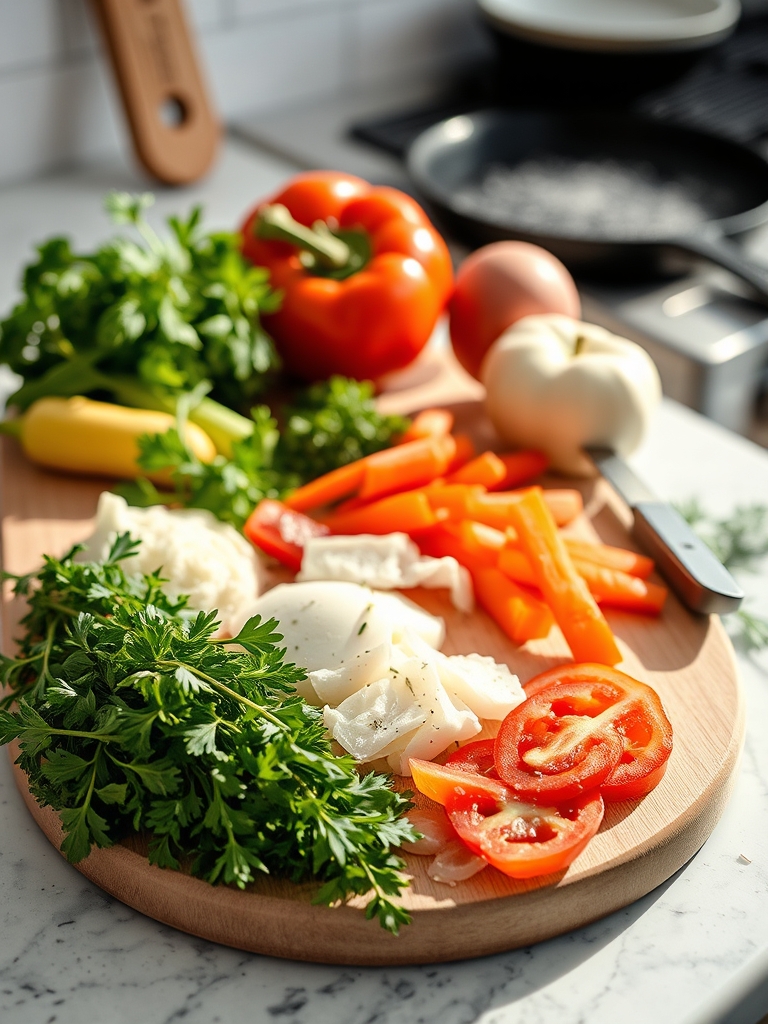
Follow these precise steps for flawless Cast Iron Searing, guaranteeing a magnificent crust and juicy interior.
- Preheat the Pan: Place your Cast Iron Searing skillet over medium-high heat. Allow it to heat for at least 5-7 minutes until it’s smoking lightly. This ensures an even, consistent temperature for searing.
- Add Oil: Pour in your chosen high smoke point oil. Swirl to coat the bottom of the pan evenly. The oil should shimmer, but not smoke excessively.
- Sear the Protein: Carefully place your seasoned protein into the hot skillet. Do not overcrowd the pan; cook in batches if necessary. You should hear an immediate, vigorous sizzle.
- First Side Sear: Let the protein cook undisturbed for 3-5 minutes, depending on its thickness and your desired crust. Resist the urge to move it; this is key to developing that perfect crust through Cast Iron Searing.
- Flip and Finish: Using tongs, flip the protein once you see a deep golden-brown crust. Add the butter, rosemary, and smashed garlic to the pan. Baste the protein with the melted butter for added flavor and moisture.
- Cook to Desired Doneness: Continue cooking for another 3-5 minutes, or until it reaches your desired internal temperature. For steaks, this might be 125°F for rare or 135°F for medium. Use a meat thermometer for accuracy. You can also transfer the skillet to a preheated oven (375°F) to finish cooking if your protein is very thick. This ensures thorough cooking without over-searing the exterior.
- Rest: Transfer the seared protein to a cutting board and let it rest for 5-10 minutes. This allows the juices to redistribute, resulting in a more tender and flavorful dish.
Why You Will Love This Recipe
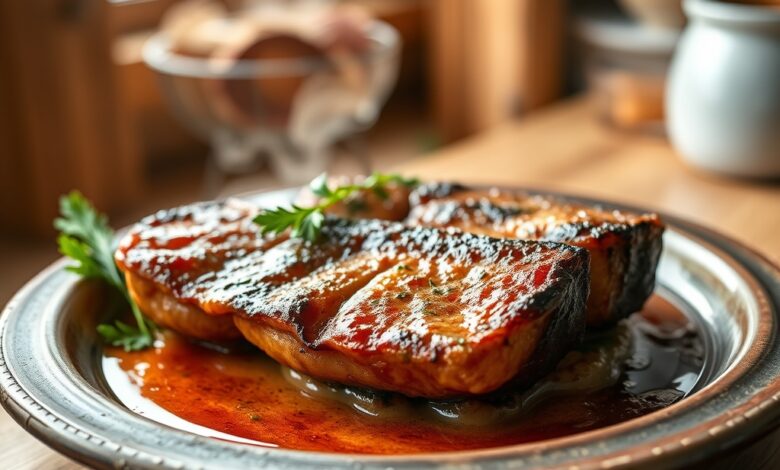
The magic of Cast Iron Searing lies in its ability to create an irresistible combination of textures and flavors. The intense heat of the cast iron pan locks in juices, producing a succulent interior that contrasts beautifully with a caramelized, deeply flavorful exterior.
Every bite delivers a culinary symphony, from the satisfying crunch of the crust to the tender, moist center. This technique is a game-changer for home cooks seeking restaurant-quality results with minimal fuss.
Chef’s Tips for Perfection
Pro Techniques
Elevate your Cast Iron Searing even further with these expert tips. Achieving professional results is all about attention to detail and understanding your tools.
- Temperature is Key: A properly preheated cast iron pan is non-negotiable. If it’s not hot enough, you’ll steam your food instead of searing it. Look for light smoke from the dry pan before adding oil.
- Don’t Overcrowd: Give your protein space. Overcrowding drops the pan’s temperature and prevents proper browning. Work in batches to maintain high heat.
- Embrace the Rest: Resting meat is not optional. It allows the muscle fibers to relax and reabsorb juices, preventing them from leaking out when you slice. This makes for a juicier final product.
- Use Quality Tools: A good set of Cast Iron Searing and chef-grade knives will make all the difference in prep and cooking. Investing in premium cookware ensures even heating and durability.
Common Mistakes to Avoid
Even seasoned cooks can stumble. Here are typical pitfalls to avoid when mastering Cast Iron Searing.
- Not Drying the Protein: Moisture is the enemy of a good sear. Always pat your protein completely dry.
- Insufficient Pan Heat: A cold or lukewarm pan will result in grey, steamed food rather than a beautiful crust. Wait for the pan to be genuinely hot.
- Moving the Food Too Soon: Resist the urge to peek or move your protein. A solid 3-5 minutes without disturbance allows the crust to form.
- Overcrowding the Skillet: As mentioned, this cools the pan rapidly and leads to steaming. Give each piece of food its space to sear properly.
- Not Using the Right Oil: Olive oil has a low smoke point and will burn. Stick to oils like avocado, grapeseed, or refined coconut oil for high-heat Cast Iron Searing.
Serving & Storage
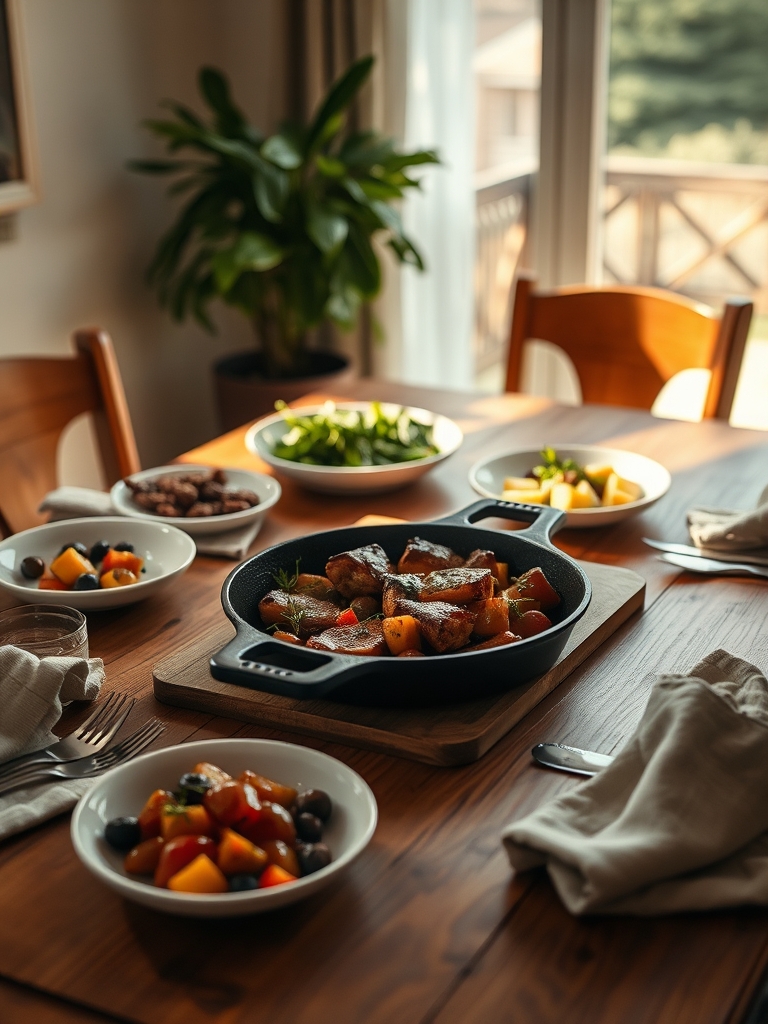
Once your protein is beautifully seared and rested, the possibilities for serving are endless. A perfectly executed Cast Iron Searing dish is a star on its own.
Serve your seared meat or vegetables immediately with a simple side salad, roasted potatoes, or a vibrant quinoa pilaf. The rich flavors created by the sear complement a wide range of accompaniments.
Leftovers can be stored in an airtight container in the refrigerator for 3-4 days. Reheat gently in a pan over low heat or slice thinly for sandwiches and salads. For best results, avoid high-temperature reheating which can dry out the protein.
Conclusion
Mastering Cast Iron Searing is a culinary superpower that every home cook deserves. It’s a technique that promises deeply caramelized crusts, succulent interiors, and an explosion of flavor in every bite.
From a simple weeknight meal to an impressive dinner party dish, the skills you gain from perfecting Cast Iron Searing will serve you well for years to come. Don’t be afraid to experiment with different proteins and vegetables, always prioritizing quality ingredients like organic spices and using robust premium cookware. Now, go forth and sear!
Frequently Asked Questions
Here are answers to some common questions about this essential cooking method.
Q1: What is the best oil for Cast Iron Searing?
A1: High smoke point oils like avocado oil, grapeseed oil, canola oil, or clarified butter are ideal. They can withstand the high heat required for effective Cast Iron Searing without burning.
Q2: How do I know when my cast iron pan is hot enough?
A2: A properly heated pan for Cast Iron Searing will show light wisps of smoke when dry. If you flick a few drops of water into it, they should evaporate almost instantly.
Q3: Can I use Cast Iron Searing for vegetables?
A3: Absolutely! Harder vegetables like broccoli florets, asparagus, and Brussels sprouts benefit immensely from Cast Iron Searing, developing a beautiful char and tender-crisp texture.
Q4: Why does my food stick to the cast iron pan?
A4: Sticking often occurs if the pan isn’t hot enough, or if you’re trying to move the food too soon. Allow the crust to fully form; it will naturally release from the pan when ready. Proper seasoning of your cast iron also helps prevent sticking during Cast Iron Searing.
Q5: What are the benefits of using cast iron for searing?
A5: Cast iron retains and distributes heat incredibly well, allowing for a consistent, high-heat surface perfect for creating a deep, flavorful crust (Maillard reaction). This makes Cast Iron Searing exceptionally effective.
Did you enjoy this recipe?
Looking for more quick and healthy recipes? Try one of our most popular 10-minute meals — delicious, simple, and nutritious.
If you enjoyed this recipe and want more delicious ideas for lunch and dinner, feel free to follow me on Facebook, Telegram, and Pinterest. I share new dishes, kitchen tips, and food inspiration daily. Thank you for your support! ❤️