Cast Iron Seared Steak: Best 30-Min Recipe
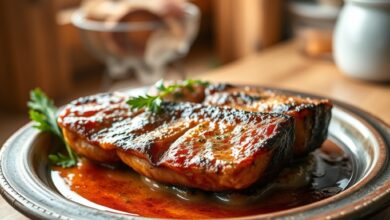
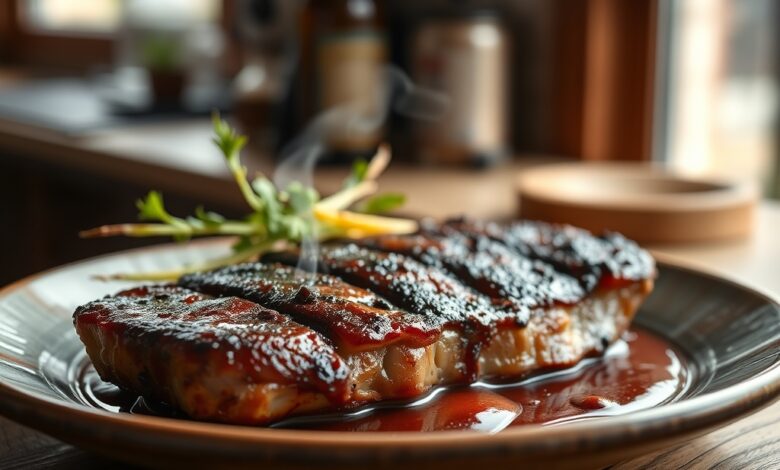
Cast Iron Seared dishes offer a culinary experience that’s truly unparalleled, transforming simple ingredients into masterpieces of flavor and texture. This technique, celebrated by chefs and home cooks alike, relies on the mighty cast iron skillet to create that coveted crispy exterior while locking in succulent juiciness. If you’ve ever dreamt of restaurant-quality results in your own kitchen, mastering the art of the Cast Iron Seared method is your golden ticket. It’s not just cooking; it’s crafting a memory with every bite.
The beauty of a perfectly executed Cast Iron Seared dish lies in its simplicity and profound impact. From tender meats to vibrant vegetables, the intense heat distribution of cast iron creates a deep, irresistible crust that no other pan can replicate. Get ready to elevate your cooking game and impress everyone at your table with this time-honored technique.
| Prep Time | Cook Time | Calories | Cuisine | Difficulty |
|---|---|---|---|---|
| 15 minutes | 10-15 minutes | 450 kcal | American/Global | Easy |
Ingredients & Preparation
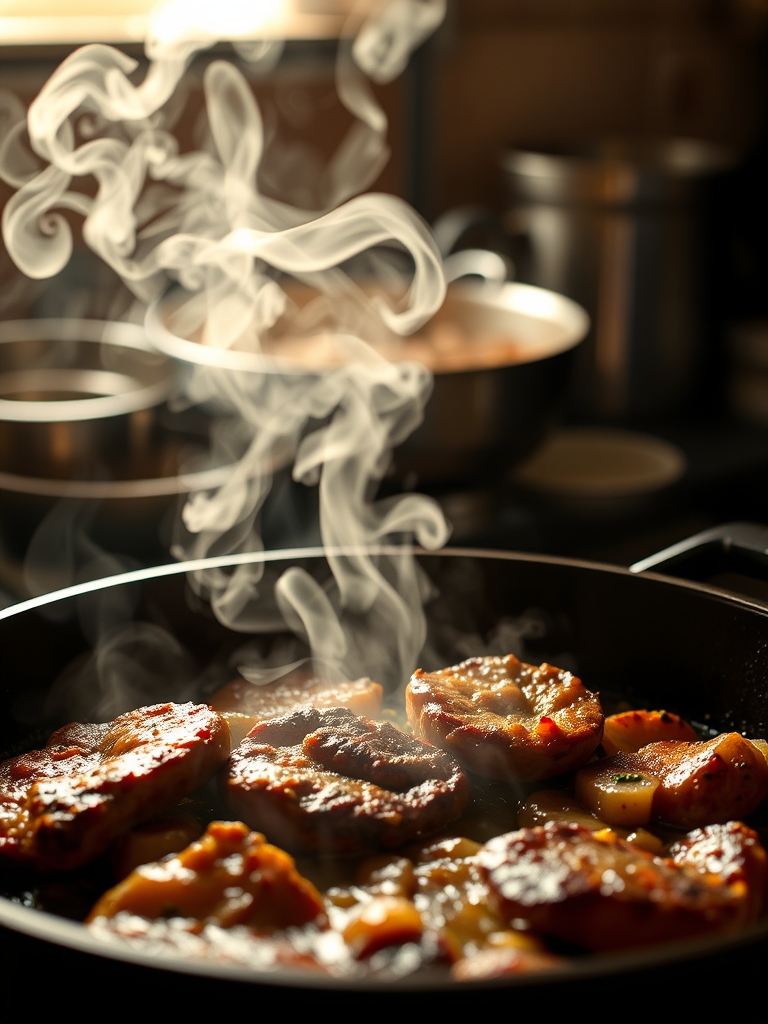
Achieving a truly remarkable Cast Iron Seared dish starts with selecting the finest ingredients. Quality truly makes a difference, especially when you’re aiming for that perfect crust and tender interior. Embrace organic options where possible to enhance both flavor and nutritional value.
- 2 boneless, skinless chicken breasts (or your preferred protein like steak or salmon)
- 1 tablespoon extra virgin olive oil
- 1 tablespoon unsalted butter
- 1 teaspoon organic spices blend (e.g., paprika, garlic powder, onion powder, thyme, salt, black pepper)
- ½ teaspoon sea salt
- ¼ teaspoon freshly ground black pepper
- Fresh herbs for garnish (e.g., parsley, rosemary)
- Optional: 1 lemon wedge for serving
Preparation Steps:
Ensure your protein is properly prepared for the best results. Pat your chicken breasts completely dry with paper towels; this is a critical step for achieving a perfect Cast Iron Seared crust. A dry surface allows for maximum browning and crispiness. If you’re using a thicker cut of meat, consider butterflying or pounding it to an even thickness using a meat mallet for uniform cooking. This ensures every part of your protein gets that desired sear without overcooking.
Next, season your protein generously with sea salt, freshly ground black pepper, and your chosen blend of organic spices. Don’t be shy with the seasoning, as a significant amount of flavor comes from this initial step. For precise seasoning, a small spice grinder or mortar and pestle can help create the freshest blend, especially if you’re using whole spices. Set the seasoned protein aside at room temperature for about 10-15 minutes before cooking. This helps relax the fibers and promotes more even cooking once it hits the hot pan, contributing to a more tender and juicy Cast Iron Seared meal.
Step-by-Step Instructions
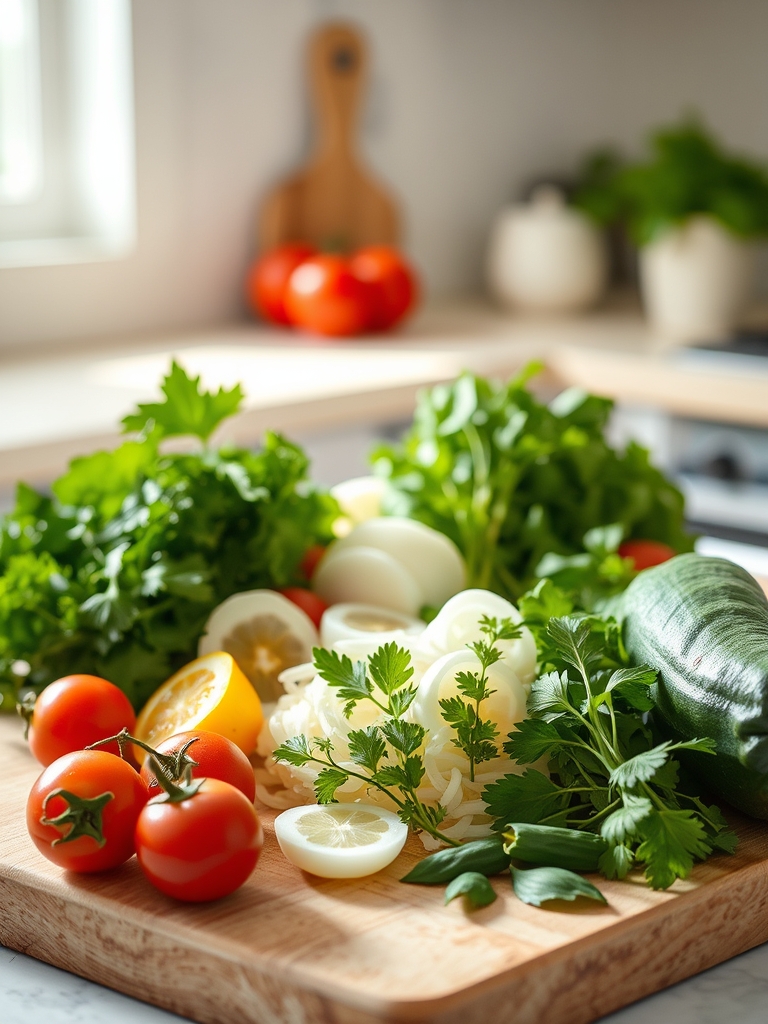
Mastering the Cast Iron Seared technique is all about precision and patience. Follow these steps closely to achieve that perfect golden-brown crust and succulent interior every time.
- Preheat Your Skillet: Place your cast iron skillet over medium-high heat. Let it preheat for at least 5-7 minutes. This is crucial for achieving an even, intense heat across the entire cooking surface, essential for a flawless Cast Iron Seared result. You’ll know it’s hot enough when a drop of water evaporates almost instantly.
- Add Oil & Butter: Once the skillet is smoking slightly, add the olive oil. Swirl to coat the bottom, then add the butter. The butter will melt and brown quickly, adding incredible depth of flavor. This oil-butter combination is key to flavor and preventing sticking for a perfect Cast Iron Seared finish.
- Sear the Protein: Carefully place your seasoned chicken breasts into the hot skillet. Do not overcrowd the pan; cook in batches if necessary. Allow the chicken to sear undisturbed for 4-6 minutes, or until a deep golden-brown crust forms. Resist the urge to move it! This is where the magic of Cast Iron Seared truly happens.
- Flip and Finish: Flip the chicken breasts and cook on the other side for another 4-6 minutes, or until the internal temperature reaches 165°F (74°C) using a meat thermometer. For thicker cuts, you might need to reduce the heat slightly after the initial sear and continue cooking, occasionally spooning the pan juices over the top to keep it moist. A good set of chef-grade knives will ensure clean cuts if you need to check doneness.
- Rest the Meat: Transfer the perfectly Cast Iron Seared chicken to a cutting board. Tent it loosely with foil and let it rest for 5-10 minutes. This resting period allows the juices to redistribute throughout the meat, resulting in a more tender and flavorful outcome.
- Serve Immediately: Slice and serve your Cast Iron Seared protein with your favorite sides. Garnish with fresh herbs and a squeeze of lemon juice for a bright finish.
Why You Will Love This Recipe
There’s a reason the Cast Iron Seared method is a culinary staple, and once you try it, you’ll understand why. This technique consistently delivers food that is both incredibly delicious and satisfying. The intense, direct heat of the cast iron pan creates an unparalleled Maillard reaction on the surface of your protein, leading to a rich, complex flavor profile that simply can’t be replicated by other cooking methods.
Beyond the taste, the Cast Iron Seared approach ensures an incredible texture contrast. You get that wonderfully crispy, caramelized crust that gives way to an incredibly juicy and tender interior. It’s a sensory delight that makes every bite an experience. Plus, it’s a versatile method suitable for various proteins and vegetables, making it a go-to for quick weeknight dinners or impressive weekend feasts. Once you experience a perfectly Cast Iron Seared dish, you’ll be hooked.
Chef’s Tips for Perfection
Pro Techniques
To truly master the Cast Iron Seared technique, attention to detail makes all the difference. Start with protein that’s at room temperature; this promotes more even cooking and helps prevent the exterior from burning before the interior is done. Always pat your protein rigorously dry with paper towels. Excess moisture creates steam, which prevents the intense browning that is the hallmark of a great sear. For the best flavor, consider using high-quality fats like clarified butter or avocado oil, which have high smoke points.
Don’t overcrowd your skillet. Give each piece of protein ample space to breathe and sear properly. Overcrowding drops the pan’s temperature and steams the food instead of searing it. For larger cuts, or if you prefer a medium-rare finish, you can finish your Cast Iron Seared item in a preheated oven after the initial sear. This allows for gentle, even cooking through to the desired internal temperature without over-browning the exterior. Using a reliable meat thermometer is essential for accuracy.
Common Mistakes to Avoid
Even seasoned cooks can stumble when it comes to the Cast Iron Seared method. One of the most frequent errors is not preheating the skillet adequately. A cold or lukewarm pan will result in a grayish, unappetizing exterior rather than that beautiful golden crust you’re aiming for. Always give your cast iron at least 5-7 minutes to get piping hot before adding any oil or food. Another common mistake is moving the protein too soon. Resist the urge to poke or prod it! Let it sear undisturbed to allow the crust to form and naturally release from the pan. If it’s sticking, it’s not ready to flip.
Overcrowding the pan is another pitfall. While it might seem efficient, cramming too much food into the skillet dramatically lowers the temperature, leading to steaming instead of searing. This not only prevents browning but can also make your food tough. Finally, remember to rest your meat after cooking. Cutting into a perfectly Cast Iron Seared steak or chicken breast immediately will cause all those delicious juices to run out, leaving you with dry meat. A brief rest allows the juices to redistribute, ensuring every bite is moist and flavorful.
Serving & Storage
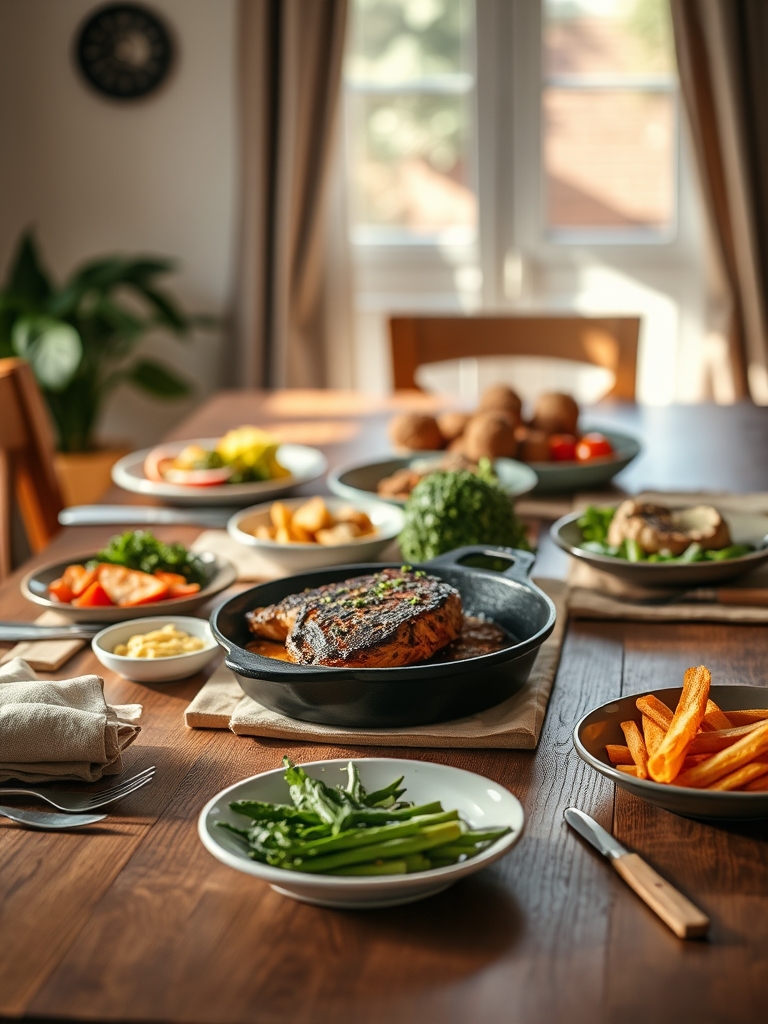
A perfectly Cast Iron Seared dish is a star on its own, but thoughtful serving and pairing can elevate the entire meal. Consider serving your seared chicken or steak with vibrant roasted vegetables, a creamy risotto, or a simple fresh salad dressed with a light vinaigrette. The rich flavors of the seared protein beautifully complement lighter, brighter sides. A squeeze of fresh lemon juice or a sprinkle of flaky sea salt just before serving can brighten the flavors and add a final touch of sophistication.
For storage, allow any leftover Cast Iron Seared protein to cool completely before transferring it to an airtight container. It can be refrigerated for up to 3-4 days. Reheat gently in a warm oven or a lightly oiled skillet over medium-low heat to maintain moisture and prevent overcooking. Avoid the microwave if possible, as it can often dry out seared meats. Enjoying leftovers can be just as delicious, perhaps sliced cold over a salad or in a sandwich.
Conclusion
There you have it—the definitive guide to mastering the Cast Iron Seared technique. This method is more than just cooking; it’s an art form that transforms ordinary ingredients into extraordinary meals. From selecting premium cookware to understanding the nuances of heat and seasoning, every step contributes to that unforgettable crust and juicy interior. Embrace the simplicity and power of your cast iron skillet, and you’ll unlock a world of culinary possibilities that will impress every palate. We hope you feel empowered to try this recipe tonight and experience the magic for yourself!
Ready to try another incredible recipe? Don’t miss out on our other delicious culinary adventures that bring chef-level quality right into your home. The world of exceptional home cooking is always within reach with a trusty Cast Iron Seared skillet.
Frequently Asked Questions
Q1: What is the best type of oil to use for Cast Iron Seared dishes?
For a high-heat technique like Cast Iron Seared cooking, oils with a high smoke point are best. Avocado oil, grapeseed oil, or refined olive oil are excellent choices. A combination of oil and butter, as used in this recipe, also adds a beautiful flavor and promotes a deep crust.
Q2: How do I know if my cast iron skillet is hot enough for a good sear?
A good test for a Cast Iron Seared skillet is to drop a tiny bit of water into the pan. If it immediately sizzles and evaporates, your pan is ready. You might also see a wisp of smoke from the dry pan. Ensure it’s not smoking excessively, which could indicate it’s too hot.
Q3: Can I use this Cast Iron Seared method for vegetables?
Absolutely! The Cast Iron Seared technique works wonderfully for vegetables like asparagus, broccoli, bell peppers, or even thick slices of eggplant. The intense heat creates delicious caramelization and a slight char that enhances their natural sweetness and texture.
Q4: My food often sticks to the cast iron. What am I doing wrong when I Cast Iron Seared?
Sticking usually indicates one of two things: either your skillet wasn’t hot enough, or you moved the food too soon. Allow the pan to reach proper temperature, use enough oil, and most importantly, let the food develop a crust. Once a good Cast Iron Seared crust forms, it will naturally release from the pan.
Q5: How can I ensure my Cast Iron Seared chicken breasts are juicy and not dry?
To keep your Cast Iron Seared chicken juicy, avoid overcooking it. Use a meat thermometer to pull the chicken off the heat when it reaches an internal temperature of 160-162°F, allowing it to reach 165°F during the resting period. Also, always rest your chicken for at least 5-10 minutes after cooking to redistribute the juices.
Did you enjoy this recipe?
Looking for more quick and healthy recipes? Try one of our most popular 10-minute meals — delicious, simple, and nutritious.
If you enjoyed this recipe and want more delicious ideas for lunch and dinner, feel free to follow me on Facebook, Telegram, and Pinterest. I share new dishes, kitchen tips, and food inspiration daily. Thank you for your support! ❤️