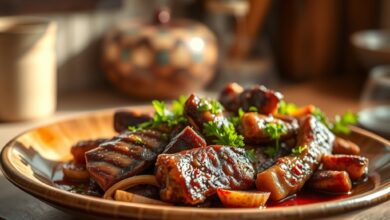

Cast Iron Skillet Seared Salmon: Easy, Delicious, 30-Min!
Cast Iron Skillet Seared perfection isn’t just for professional kitchens anymore; it’s a technique that elevates home cooking to an art form, promising unparalleled flavor and texture in every bite. Mastering this method means unlocking a world of culinary possibilities, from crispy-skinned fish to perfectly caramelized vegetables. The intense, even heat of a cast iron skillet creates that coveted deep brown crust, locking in moisture and intensifying natural flavors like no other pan can. It’s an essential skill for anyone looking to impress their guests or simply enjoy restaurant-quality meals at home. Explore more dazzling culinary experiences with our Cast Iron Skillet Seared scallops.
| Prep Time | Cook Time | Calories | Cuisine | Difficulty |
|---|---|---|---|---|
| 15 minutes | 10-15 minutes | 350 kcal (approx.) | Global/Fusion | Easy |
Ingredients & Preparation

To achieve an exquisite Cast Iron Skillet Seared dish, selecting high-quality ingredients is paramount. Freshness makes a remarkable difference in flavor. Consider investing in a good quality cutting board and chef-grade knives for precise preparation, which enhances both cooking efficiency and presentation.
For the Main Component (Choose One):
- 2 (6-8 oz) fillets of wild-caught salmon or cod (skin-on recommended for crispiness)
- Alternatively, 1 lb large sea scallops, patted very dry
- Or 2 boneless, skinless chicken breasts, pounded to even thickness
Flavor Enhancers:
- 2 tbsp extra virgin olive oil (consider a premium, cold-pressed variety)
- 1 tbsp unsalted butter
- 2 cloves garlic, minced (or 1 tsp organic garlic powder)
- 1 sprig fresh rosemary or thyme (for aromatic infusion)
- Salt and freshly ground black pepper to taste (use organic spices for best results)
- Optional: Lemon wedges for serving, fresh parsley for garnish
Preparation Steps:
Ensure your chosen protein is thoroughly patted dry with paper towels. Excess moisture hinders the browning process, preventing that perfect crust we’re aiming for. Season generously with salt and pepper on all sides right before cooking.
Mince your garlic and have your rosemary or thyme sprigs ready. Prepare any side dishes or sauces in advance, as the searing process itself is quite quick. This organized approach ensures a smooth cooking experience for your next Cast Iron Skillet Seared meal.
Step-by-Step Instructions

Mastering the Cast Iron Skillet Seared technique is all about heat management and precision. Follow these steps closely to achieve a restaurant-quality result every time. Your premium cookware will shine here.
- Preheat the Skillet: Place your cast iron skillet over medium-high heat. Allow it to preheat for at least 5-7 minutes. A properly heated skillet is essential for a good sear. You want it smoking slightly before adding oil.
- Add Oil: Once the skillet is hot, add the extra virgin olive oil. Swirl to coat the bottom. The oil should shimmer, indicating it’s ready for the main event.
- Sear the Protein: Gently place your chosen protein into the hot skillet. If cooking salmon or cod, place skin-side down. Do not overcrowd the pan; cook in batches if necessary. This step is crucial for an effective Cast Iron Skillet Seared finish.
- Don’t Touch It! Let the protein sear undisturbed for 3-5 minutes, depending on its thickness and desired doneness. Resist the urge to move or flip it too early. This allows a beautiful, crispy crust to form.
- Add Aromatics and Butter: Once a golden-brown crust has formed on the first side, carefully flip the protein. Immediately add the unsalted butter, minced garlic, and rosemary/thyme sprig to the skillet. The butter will melt and foam, coating the protein in fragrant juices.
- Baste for Flavor: Tilt the skillet slightly and use a spoon to continuously baste the protein with the melted butter, garlic, and herb mixture. This infuses incredible flavor and ensures even cooking. This basting step enhances the overall experience of any Cast Iron Skillet Seared dish.
- Finish Cooking: Continue to cook for another 3-5 minutes, or until the protein reaches your desired doneness. For fish, it should flake easily. For chicken, an internal temperature of 165°F (74°C) is ideal. A meat thermometer is a great tool here.
- Rest and Serve: Remove the seared protein from the skillet and let it rest on a cutting board for a few minutes before serving. This allows the juices to redistribute, ensuring a tender and flavorful result. Garnish with fresh parsley and lemon wedges if desired. Enjoy your perfectly Cast Iron Skillet Seared meal!
Why You Will Love This Recipe
There are countless reasons to adore the Cast Iron Skillet Seared method. It consistently delivers results that simply cannot be replicated with other cooking techniques. The intense, direct heat creates a superior crust and caramelization.
You’ll love the incredible depth of flavor and the satisfying crunch of the perfectly seared exterior, juxtaposed with a tender, juicy interior. This technique also seals in the natural juices, preventing dryness. Plus, it’s incredibly versatile, working beautifully with various proteins and even vegetables.
It’s a quick and efficient way to prepare gourmet meals, often taking less than 15 minutes of active cooking time. The Cast Iron Skillet Seared approach truly transforms simple ingredients into something extraordinary. This is a technique you’ll keep coming back to.
Chef’s Tips for Perfection
Pro Techniques
Achieving the perfect Cast Iron Skillet Seared dish requires a few insider tricks. Firstly, always start with a very hot, dry skillet. This creates the foundational sear that gives you that coveted crust. Don’t be afraid to let it smoke slightly.
When cooking with a premium cookware item like a cast iron skillet, ensure your protein is completely dry. Any moisture on the surface will steam the food rather than sear it, preventing browning. A quick pat with paper towels is essential for an excellent Cast Iron Skillet Seared result.
For added flavor, consider a quick brine for chicken or a light marinade for fish before searing. This not only adds moisture but also seasons the food from within. The intense heat of the skillet will lock in those flavors beautifully. Using high-quality ingredients like organic spices can also elevate the final taste.
Common Mistakes to Avoid
Even seasoned home cooks can make errors when attempting a Cast Iron Skillet Seared dish. One of the most frequent mistakes is not preheating the skillet sufficiently. A cold or lukewarm pan will result in sticking and a pale, uneven sear instead of a golden crust. Patience is key here.
Another common pitfall is overcrowding the pan. When too much food is added, the temperature of the skillet drops rapidly. This leads to steaming rather than searing, producing soggy rather than crispy results. Cook in batches if necessary to maintain consistent heat and achieve a proper Cast Iron Skillet Seared texture.
Finally, avoid constantly moving or flipping the food. Let it develop that beautiful crust undisturbed on one side before flipping. Premature flipping breaks the bond forming between the food and the pan, ruining the sear. Trust the process for your perfect Cast Iron Skillet Seared outcome.
Serving & Storage

A perfectly Cast Iron Skillet Seared dish deserves thoughtful presentation and appropriate pairings. Serve immediately after resting, allowing the flavors to truly shine. A squeeze of fresh lemon brightens any seared protein.
Consider pairing your seared protein with simple sides that complement its rich flavor. Roasted asparagus, a fresh garden salad, or creamy mashed potatoes are excellent choices. For a truly elevated experience, a quick pan sauce made with the drippings from the skillet adds another layer of deliciousness.
Leftovers of your Cast Iron Skillet Seared meal can be stored in an airtight container in the refrigerator for up to 3 days. While the crispy sear might soften upon reheating, the flavors will still be robust. Reheat gently in a conventional oven or toaster oven to try and preserve some texture, rather than a microwave.
Conclusion
Mastering the Cast Iron Skillet Seared technique is a game-changer for any home cook. It’s a simple yet profoundly effective method for achieving restaurant-quality results with minimal effort. The rich, deep crust and juicy interior it delivers are simply unmatched.
By following these steps and incorporating our chef’s tips, you’re well on your way to creating consistently delicious meals. Remember, practice makes perfect, and each attempt will build your confidence and skill. We encourage you to experiment with different proteins and spices to make this technique your own.
Don’t stop here; the world of Cast Iron Skillet Seared dishes is vast and exciting. Keep exploring, keep cooking, and most importantly, keep enjoying the process of creating culinary magic in your own kitchen. Happy searing!
Frequently Asked Questions
Q: What’s the best way to get a really good crust when I Cast Iron Skillet Sear?
A: The key is a very hot, preheated cast iron skillet and thoroughly dry protein. Don’t add oil until the pan is hot, and then resist the urge to move the food for the first few minutes. This allows the crust to form undisturbed when you Cast Iron Skillet Seared.
Q: Can I use a non-cast iron pan for this method?
A: While you can sear in other pans, a cast iron skillet is superior due to its ability to retain and distribute heat evenly. This consistent high heat is crucial for achieving that characteristic deep, flavorful crust that makes a dish truly Cast Iron Skillet Seared.
Q: My food always sticks when I try to Cast Iron Skillet Sear. What am I doing wrong?
A: Sticking usually indicates your skillet wasn’t hot enough or wasn’t properly seasoned. Ensure the pan is screaming hot before adding oil and then the food. A well-seasoned cast iron skillet also creates a naturally non-stick surface, ideal for a good Cast Iron Skillet Seared outcome.
Q: How do I know when my protein is done when Cast Iron Skillet Seared?
A: For fish, it will flake easily with a fork. For chicken or other meats, an instant-read thermometer is your best friend. Chicken should reach 165°F (74°C). The visual cue of a deep golden-brown crust on both sides is also a strong indicator of a perfectly Cast Iron Skillet Seared item.
Q: What are some good vegetables to Cast Iron Skillet Sear?
A: Asparagus, bell peppers, broccoli florets, and thick slices of zucchini or eggplant are fantastic. Cut them into similar-sized pieces for even cooking, and ensure they’re dry before adding to the hot pan. A quick Cast Iron Skillet Seared with a little garlic and olive oil transforms them beautifully.
Did you enjoy this recipe?
Looking for more quick and healthy recipes? Try one of our most popular 10-minute meals — delicious, simple, and nutritious.
If you enjoyed this recipe and want more delicious ideas for lunch and dinner, feel free to follow me on Facebook, Telegram, and Pinterest. I share new dishes, kitchen tips, and food inspiration daily. Thank you for your support! ❤️